Shipping Estimate
USA
- USA
- CAN
- USA
- CAN
Ships within 48 hours · Estimated delivery Jul 15 - Jul 20
 Promo Codes Available:
For Your Every Summer RSVP, with Code: SUMMER15
Description
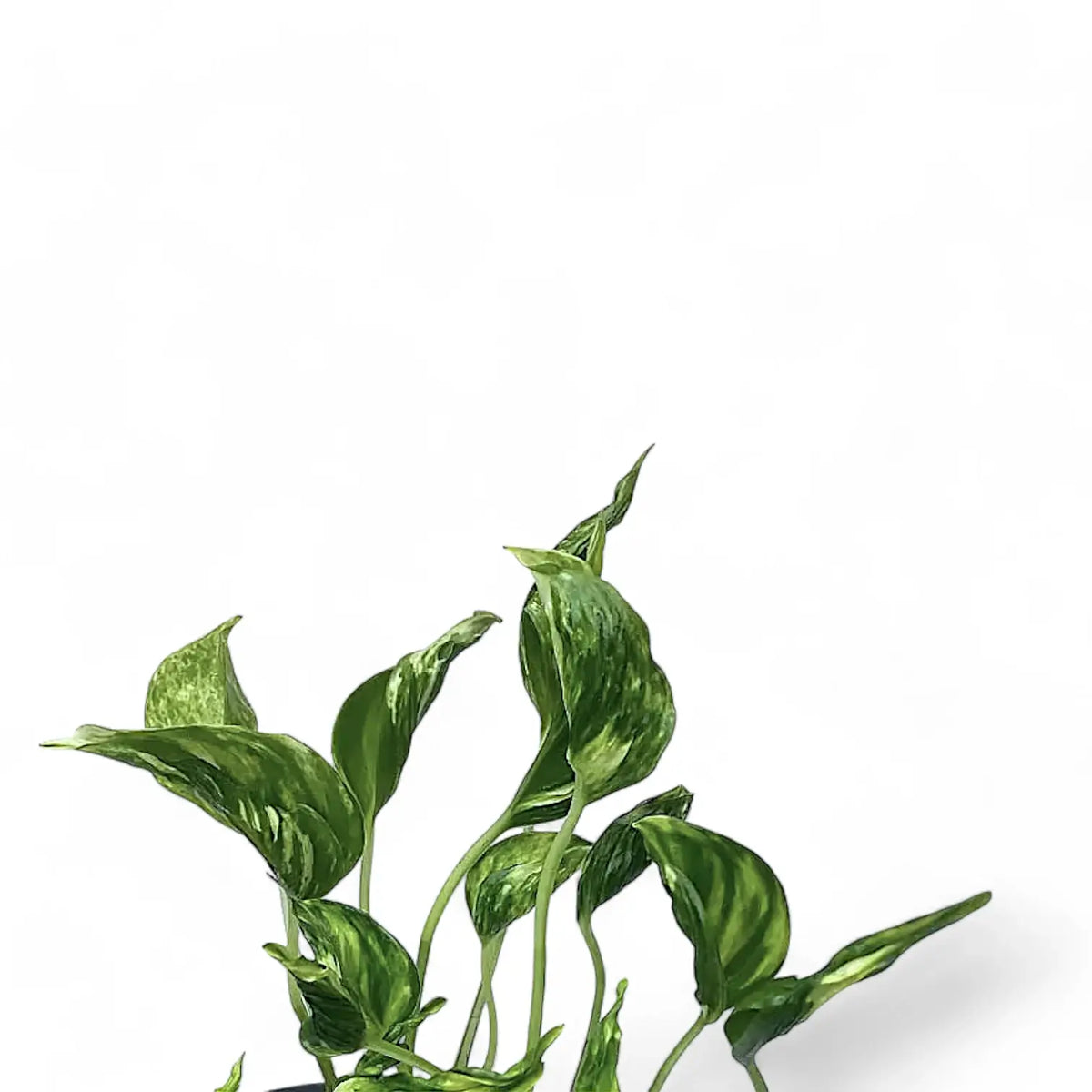
sleeping pothos for sale Epipremnum aureum 'Shangri La' – Crinkled Sleeping PothosEpipremnum aureum 'Shangri La' curled leaf pothos with a compact, sculptural look Epipremnum aureum 'Shangri La' is one of the strangest looking pothos forms in cultivation. Instead of flat, open leaves, it produces thick, twisted foliage that stays folded, crinkled, and curled as it matures. That gives the plant a tighter, more sculptural look than standard Epipremnum aureum and makes it stand out even before the vines begin to lengthen. This is why
Epipremnum aureum 'Shangri La' – curled-leaf pothos with a compact, sculptural look
Epipremnum aureum 'Shangri La' is one of the strangest-looking pothos forms in cultivation. Instead of flat, open leaves, it produces thick, twisted foliage that stays folded, crinkled, and curled as it matures. That gives the plant a tighter, more sculptural look than standard Epipremnum aureum and makes it stand out even before the vines begin to lengthen.
This is why 'Shangri La' works differently from other pothos on a shelf or in a hanging pot. It still trails or climbs over time, but the curled leaves make the plant look denser, more textured, and less flowing than broad-leaved forms such as 'Marble Queen' or standard golden pothos. The result is architectural rather than soft.
What makes Epipremnum 'Shangri La' look so different
- Leaf form: Leaves stay twisted, curled, and partly folded instead of flattening out in the usual pothos way.
- Surface texture: The foliage feels thicker and more structured than in standard Epipremnum aureum, with visible ridging and irregular contours.
- Colour: Most plants stay deep green, sometimes with lighter green or yellow-green variation depending on the clone and growing conditions.
- Plant shape: Young plants often look dense and upright at first, then become more trailing or climbing with age.
- Growth character: Compared with typical pothos forms, the habit is usually more compact and visually tighter.
- Indoor presence: Even a small plant looks distinct because the curled foliage changes the whole silhouette.
Species background and what the name 'Shangri La' refers to
- Accepted species: Epipremnum aureum, a member of Araceae
- Native origin of species: Mo'orea in French Polynesia
- Natural habit of the species: Tropical climber that uses aerial roots to move across trunks and other surfaces.
- Trade use: 'Shangri La' is commonly sold as a curled-leaf or “Sleeping Pothos” type of Epipremnum aureum.
- Indoor flowering: Like other cultivated forms of Epipremnum aureum, it is grown for foliage and flowers are extremely rare indoors.
- Toxicity: Plant tissue contains insoluble calcium oxalate crystals and is not safe for pets or people to chew.
Care priorities for Epipremnum aureum 'Shangri La' indoors
- Light: Bright, indirect light keeps growth compact and helps the plant produce stronger, better-shaped leaves. It tolerates dimmer placement, but growth usually loosens and slows.
- Watering: Water thoroughly, then let roughly the top 30–40% of the substrate dry before watering again. Constant wetness around the roots leads to more trouble than a short dry pause.
- Substrate: Use a loose, airy mix that drains well but still holds some moisture. A blend based on potting mix or coco coir with bark and perlite works well.
- Humidity: Average indoor humidity is usually enough, though around 40–60% helps new leaves develop more cleanly.
- Temperature: Aim for 18–29°C and avoid prolonged cold, cold drafts, or a wet root zone in cool conditions.
- Feeding: Apply a balanced liquid fertilizer at low to moderate strength every 4–6 weeks while the plant is actively growing.
- Repotting: Repot when roots fill the pot heavily or when the substrate has broken down and no longer dries evenly. Increase pot size only slightly.
How 'Shangri La' behaves when trailing, climbing, or being cut back
- As a trailing plant: Left unsupported, the stems eventually lengthen and hang, but the curled leaves keep the plant looking denser than flatter-leaved pothos.
- As a climber: On a pole, plank, or trellis, aerial roots can attach and support stronger upward growth over time.
- Pruning: Cutting just above a node helps maintain a fuller shape and keeps long, bare stretches from developing.
- Propagation: Stem cuttings with at least one node root readily in water or lightly moist substrate when kept warm.
- Water culture and mineral substrates: This form can adapt to water culture or inert mineral substrates if the transition is gradual and the nutrient supply stays steady.
- Routine upkeep: Because the leaves stay folded, check hidden surfaces regularly for dust, trapped debris, or early pest activity.
Problems that are easy to misread on Epipremnum 'Shangri La'
- Naturally curled leaves: The twisted foliage is the defining feature of the cultivar and should not be mistaken for dehydration by default.
- Yellow leaves: Usually point to roots staying wet too long, poor drainage, or a potting mix that has compacted.
- Soft stems or blackened nodes: Commonly indicate rot after wet and cold conditions around the roots.
- Drooping growth: Often linked to drought stress, root trouble, or sudden temperature drop rather than the curled leaf form itself.
- Small, weak new growth: Usually caused by low light, depleted substrate, strong root congestion, or missed feeding over time.
- Pests: Mealybugs, spider mites, thrips, and scale can hide more easily in the folded foliage, so regular inspection matters more than on flatter-leaved forms.
Name notes for Epipremnum aureum 'Shangri La'
Epipremnum comes from Greek and refers to growth upon a trunk, matching the species’ natural climbing habit. aureum means “golden,” referring to the yellow-marked wild type rather than the deep green look usually seen in this form. The name 'Shangri La' is used commercially for this curled-leaf selection, while “Sleeping Pothos” refers to the way the leaves appear folded or half-closed.
Choose 'Shangri La' if you want texture instead of ordinary trailing foliage
If you want an easy indoor climber with unusual leaf structure rather than standard flat pothos foliage, Epipremnum aureum 'Shangri La' is a strong choice. With bright indirect light, an airy mix, and a sensible watering rhythm, it stays compact, distinctive, and much more sculptural than typical Epipremnum forms.
Shipping Notes
- Free Standard Shipping on $100+ Orders to the USA.
- Except Preorder products are shipped in 48 hours.
- Delivery to the USA:
- Standard Shipping : 3-10 business days
- If time is of the essence, please consider selecting expedited delivery for faster service.
Exchange/Return Notes
- We offer a 30-day return/exchange service after receiving.
- Final sale items are not eligible for returns or exchanges.
- To process your return/exchange, please contact us at [email protected]
- Please click here for more details>>> Return & Exchange Policy