Shipping Estimate
USA
- USA
- CAN
- USA
- CAN
Ships within 48 hours · Estimated delivery Jul 9 - Jul 14
 Promo Codes Available:
For Your Every Summer RSVP, with Code: SUMMER15
Description
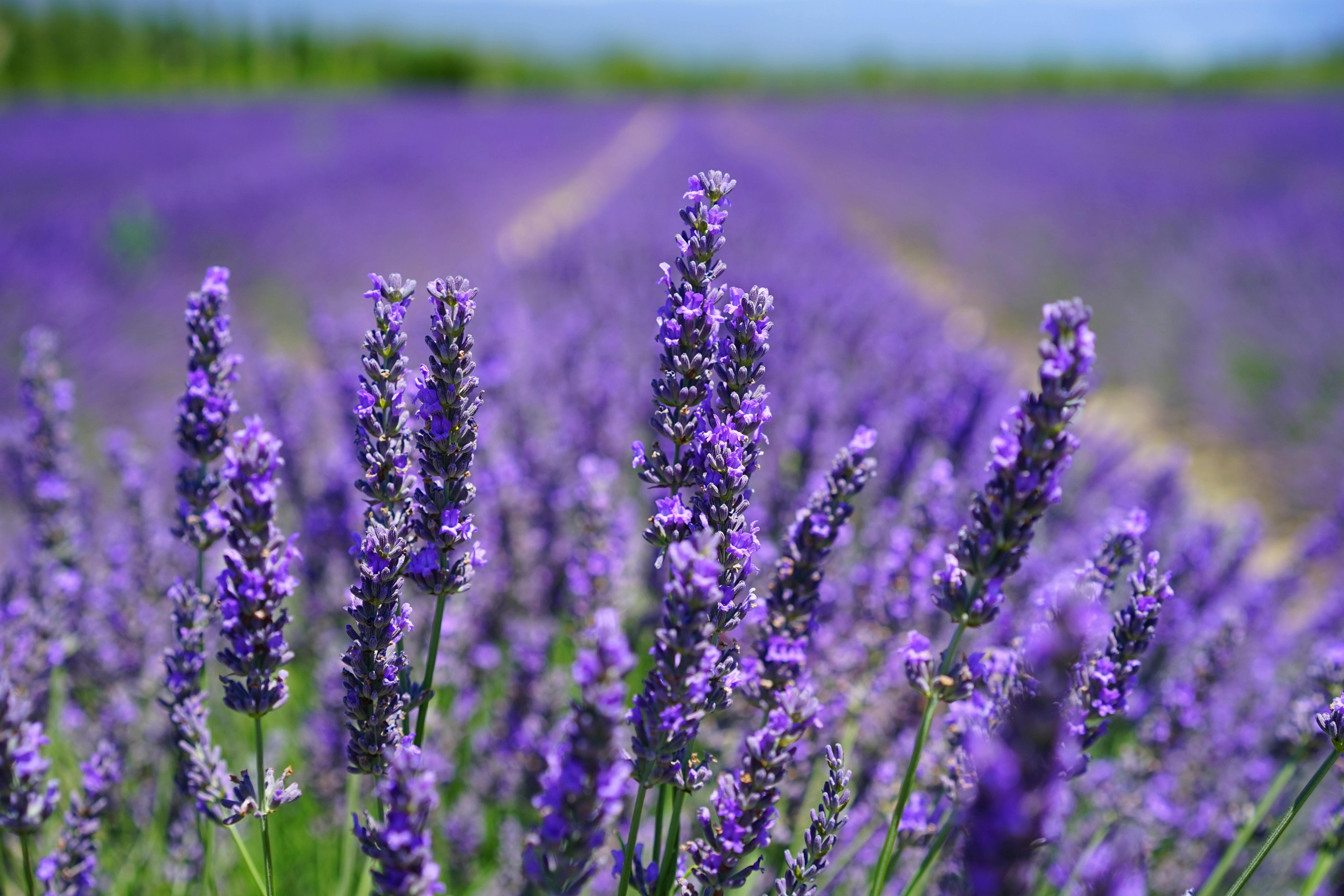
english lavender bare root plants Lavender 'Vera' 'Common English' (bare root plant) – Little Red General StoreSold by and ships from Little Red Farmhouse in Lewis County, Washington. Minimum order of 12 plants. Lavender 'Vera' (Lavandula angustifolia 'Vera') Key Characteristics Origin: 'Vera' lavender, botanically known as *Lavandula angustifolia* 'Vera', is considered an heirloom or "true" English lavender. It is thought to be one of the original species lavenders and has been cultivated for a long time, possibly for centuries. Its origins are in the
Sold by and ships from Little Red Farmhouse in Lewis County, Washington.
Minimum order of 12 plants.
Lavender 'Vera' (Lavandula angustifolia 'Vera')
Key Characteristics
- Origin: 'Vera' lavender, botanically known as *Lavandula angustifolia* 'Vera', is considered an heirloom or "true" English lavender. It is thought to be one of the original species lavenders and has been cultivated for a long time, possibly for centuries. Its origins are in the Mediterranean region.
- Patent Status: As an older, well-established cultivar of *Lavandula angustifolia*, 'Vera' lavender is not patented. It can be freely propagated and sold.
- Flower Production: 'Vera' is highly prized for its intensely fragrant, slender spikes of lavender-blue flowers. The flowers are particularly rich in essential oils, making it a favorite for aromatherapy, potpourri, and culinary uses. It typically blooms in mid-summer, with the potential for a second, smaller flush of blooms later in the season if deadheaded.
- Plant Size and Appearance: 'Vera' is a compact, bushy evergreen shrub that typically grows to a height of 1.5-2 feet (45-60 cm) and a spread of 2-2.5 feet (60-75 cm). It has narrow, silvery-gray to gray-green leaves that are also highly aromatic.
- Flowering Time: 'Vera' typically blooms in mid-summer. It may produce a second, smaller bloom later in the season if the spent flowers are removed (deadheading).
- Hardiness: 'Vera' is known for its excellent cold hardiness among English lavenders, generally hardy in USDA Zones 5 through 10 (some sources specify 4-9 or 5-9). It is a perennial in these zones, retaining its foliage through mild winters.
- Pollination: The flowers are highly attractive to bees, butterflies, and other beneficial insects, making it a valuable plant for pollinator gardens.
-
Growing Conditions:
- Sunlight: Requires full sun (at least 6-8 hours of direct sunlight daily) for optimal growth, abundant flowering, and the strongest fragrance.
- Soil: Thrives in well-drained, even poor, soil. It prefers slightly alkaline to neutral soil (pH 6.7-7.3). Good drainage is crucial, especially in winter, as lavender is susceptible to root rot in overly moist conditions. Sandy or gravelly soil is ideal.
- Watering: Once established, 'Vera' lavender is quite drought-tolerant. Water sparingly, allowing the soil to dry out between waterings. Avoid overwatering, especially during the winter months.
- Fertilizing: Generally does not require rich soil or heavy fertilization. In fact, overly fertile soil can reduce the intensity of its fragrance and lead to leggy growth. A light application of compost in the spring is usually sufficient. Avoid high-nitrogen fertilizers. Some recommend a yearly application of dolomite lime.
- Spacing: Space plants 18-24 inches (45-60 cm) apart to allow for good air circulation, which helps prevent fungal diseases. For hedges, space plants about 18 inches apart.
- Pruning: Prune annually after flowering to maintain a compact shape and encourage more blooms in the following year. Cut back the flower stalks and about one-third of the plant's foliage, being careful not to cut into the old wood.
- Propagation: Can be propagated by seeds (though germination can be slow and sometimes erratic, often benefiting from a period of cold stratification), cuttings (semi-hardwood cuttings taken in summer are usually successful), or layering.
-
Uses: 'Vera' lavender is highly versatile:
- Aromatherapy: Its essential oil is prized for its calming and relaxing properties.
- Culinary: The flowers and leaves can be used sparingly to add a floral note to baked goods, beverages, and savory dishes.
- Crafts: Excellent for drying and using in potpourri, sachets, wreaths, and other crafts due to its strong, long-lasting fragrance and beautiful flower spikes.
- Ornamental: Its silvery foliage and purple flowers make it an attractive addition to herb gardens, borders, rock gardens, and containers. It's also effective as an edging plant.
- Attracting Pollinators: The flowers are highly attractive to bees and butterflies.
- Cut Flowers: The flower spikes are excellent for fresh and dried flower arrangements. Harvest for drying when just a few buds have opened for the best color and fragrance retention.
- Medicinal: Traditionally used for its antiseptic, anti-inflammatory, and sleep-aid properties. (Consult a healthcare professional for medicinal use).
- Pest Repellent: Lavender is known to repel some insects, such as moths and mosquitoes. It is also considered deer and rabbit resistant.
- Wildlife Value: Highly attractive to bees and butterflies, contributing to pollinator gardens. It is also deer and rabbit resistant.
- Ornamental Value: The silvery-gray foliage provides year-round interest, and the abundant purple flowers create a beautiful display in summer. Its compact and tidy growth habit makes it a desirable garden plant.
- Potential Issues: Susceptible to root rot in poorly drained, overly wet soils. Good air circulation is important to prevent fungal diseases. Over-fertilizing can lead to weak, leggy growth and reduced fragrance.
Shipping Notes
- Free Standard Shipping on $100+ Orders to the USA.
- Except Preorder products are shipped in 48 hours.
- Delivery to the USA:
- Standard Shipping : 3-10 business days
- If time is of the essence, please consider selecting expedited delivery for faster service.
Exchange/Return Notes
- We offer a 30-day return/exchange service after receiving.
- Final sale items are not eligible for returns or exchanges.
- To process your return/exchange, please contact us at [email protected]
- Please click here for more details>>> Return & Exchange Policy