Shipping Estimate
USA
- USA
- CAN
- USA
- CAN
Ships within 48 hours · Estimated delivery Jul 14 - Jul 19
 Promo Codes Available:
For Your Every Summer RSVP, with Code: SUMMER15
Description
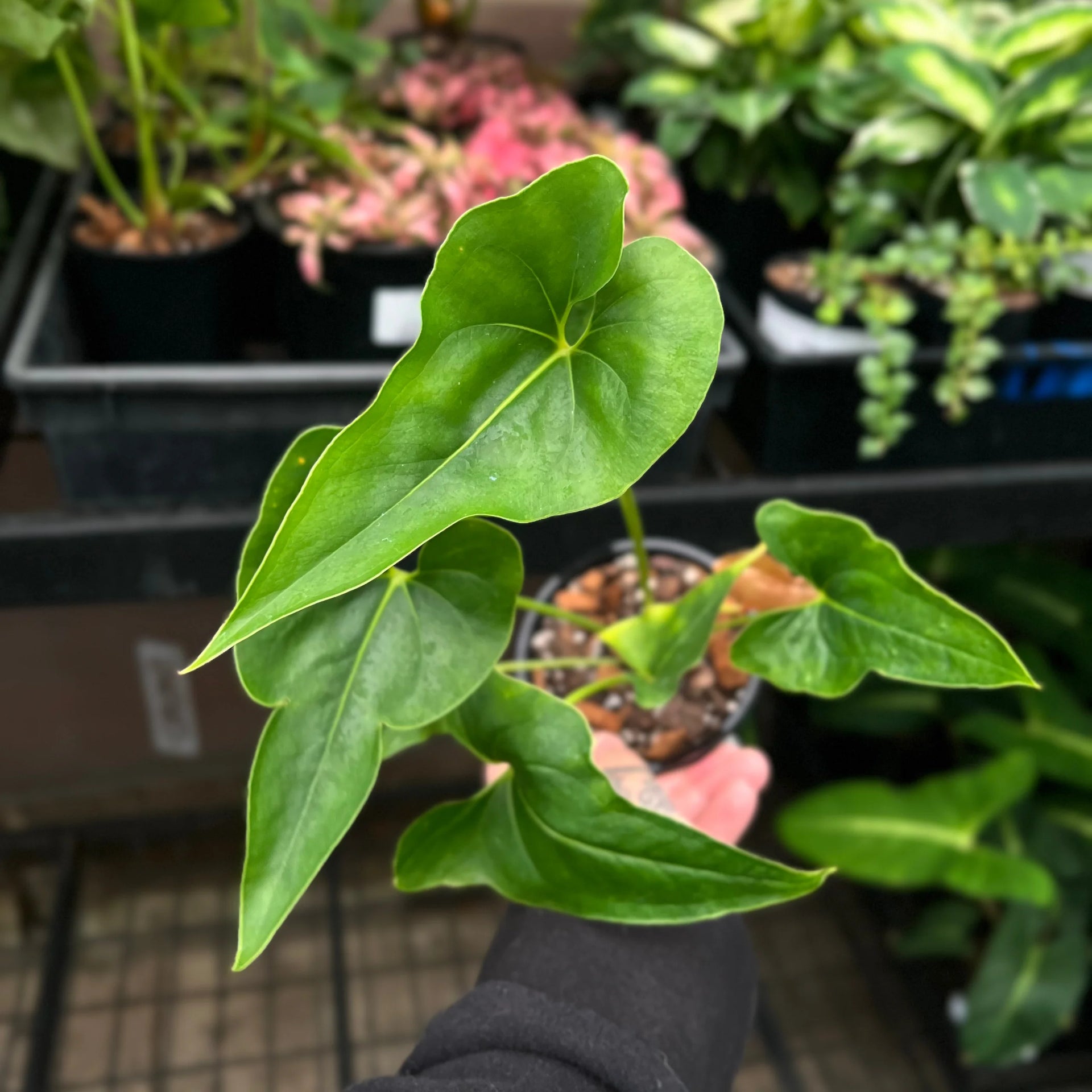
anthurium nymphaeifolium Anthurium Ferrierense Crisped | Wavy Leaf AnthuriumWhere Sculpture Meets Botany Some plants have flowers to show off, others have dramatic colours, Anthurium Ferrierense Crisped? It has edge. Gloriously wavy, deeply undulating, almost theatrical edges that transform what would be an ordinary leaf into something that looks like it belongs in a fairytale illustration or a designer's mood board. This compact cultivar showcases broadly ovate, mid green leaves with prominently crisped margins those
Where Sculpture Meets Botany
Some plants have flowers to show off, others have dramatic colours, Anthurium Ferrierense Crisped? It has edge. Gloriously wavy, deeply undulating, almost theatrical edges that transform what would be an ordinary leaf into something that looks like it belongs in a fairytale illustration or a designer's mood board.
This compact cultivar showcases broadly ovate, mid-green leaves with prominently crisped margins - those characteristic ruffled edges that give it both its name and its appeal. Unlike most Anthuriums bred for their colourful spathes, the 'Crisped' selection is all about architectural foliage. Each leaf is a study in texture and form, with visible venation adding depth to the smooth, subtly glossy surface.
A Historic Hybrid with Modern Appeal
Anthurium Ferrierense holds an important place in horticultural history - it was the first documented primary Anthurium hybrid with decorative spathes, published in 1883. This cross between Anthurium Andraeanum and Anthurium Nymphaeifolium marked the beginning of Anthurium breeding as we know it today. Both parent species hail from the humid forests of Colombia and Venezuela, where they grow in lowland to mid-elevation zones.
The 'Crisped' cultivar takes the elegant, upright foliage form inherited from A. Nymphaeifolium and emphasises it with those spectacular wavy margins. The result is a stable cultivar that's grown purely for texture and leaf shape - sculptural, compact and surprisingly low-fuss for something that looks so distinctive.
Light Requirements
Position in bright indirect light to promote healthy growth and maintain those pronounced ripple margins. Moderate light is tolerable, but the best leaf development occurs with good indirect illumination. Avoid direct sunlight which scorches leaves and can cause the delicate crisped edges to brown. An east-facing window or a spot near but not in the direct path of brighter light works well. This plant is designed for interior spaces and thrives where bright natural light filters through.
Watering
The key with Anthurium Ferrierense Crisped is gentle consistency rather than dramatic drenches. Keep the soil slightly moist at all times with small, regular waterings - it's better to water frequently with smaller amounts than to flood the pot occasionally. Allow the top 15-20% of the substrate to dry between waterings, but don't let it dry out completely. Never let the plant sit in water; ensure excess drains away after each watering. Use rainwater, distilled water or filtered tap water if your tap water is particularly hard.
Humidity and Temperature
This hybrid prefers humidity levels of 60-75% to maintain healthy foliage and pronounced crisped margins. Low humidity can cause those distinctive wavy edges to flatten or develop brown tips - a clear sign your plant is asking for more moisture in the air. A humidifier, pebble tray, or grouping with other humidity-loving plants helps create the microclimate this species enjoys. Temperature-wise, keep between 15-30°C (optimum 18-27°C) and protect from drafts and sudden temperature drops.
Potting Medium
An airy, chunky aroid mix is essential for healthy root development. Combine orchid bark (30-40%), perlite (20-30%) and coco coir or quality potting mix to create a substrate that drains freely while retaining some moisture. Like all epiphytic Anthuriums, the roots need to breathe - think of how these plants grow naturally in tree forks where breezes quickly dry the roots after rain. Heavy, waterlogged soil leads rapidly to root rot.
Feeding Your Anthurium
During the growing season (September through March), feed regularly with Growth Technology Foliage Focus or a balanced liquid fertiliser at the recommended dilution. The frequent but gentle approach applies to feeding as well as watering - regular light applications support steady growth without overwhelming the roots. Reduce feeding during the cooler months when growth naturally slows.
Perfect For
- Interior plant styling and design-focused collections
- Those who appreciate foliage texture over flowering
- Compact spaces that benefit from architectural forms
- Plant lovers seeking something distinctive but manageable
- Anyone wanting a low-fuss Anthurium with high visual impact
Frequently Asked Questions
Will the wavy edges stay pronounced?
Yes - the undulate margins are a stable characteristic of this cultivar. Ensuring adequate humidity (60%+) helps maintain their definition. If edges begin flattening or browning, it's typically a sign of insufficient humidity or inconsistent watering.
Is this grown for flowers or foliage?
Primarily foliage. While it can produce the typical Anthurium inflorescence, the 'Crisped' selection was specifically chosen for its sculptural leaf texture and form rather than flower production. The foliage is the star here.
How compact does it stay?
This is a moderately sized Anthurium - expect up to 100cm height and 75-100cm spread when mature. It's considerably more manageable than many collector Anthuriums while still making a statement.
Is it difficult to care for?
No - despite its distinctive appearance, this is considered an easy to intermediate Anthurium. It has similar needs to other common houseplants and adapts well to typical indoor conditions. The main consideration is maintaining adequate humidity for those crisped margins.
What's the historical significance?
Anthurium Ferrierense was the first documented Anthurium hybrid with decorative spathes, published in 1883. It represents the beginning of over 140 years of Anthurium breeding that has produced the thousands of cultivars we know today.
Please Keep in Mind
Each plant develops its own character - the degree of leaf crisping can vary slightly between leaves and specimens, though all will display the characteristic undulate margins that define this cultivar. New leaves often show the most pronounced ruffling.
This plant contains calcium oxalate crystals and is toxic to cats, dogs and humans if ingested. Keep out of reach of curious pets and children.
If you are from a quarantine restricted state and would like to purchase this plant, we recommend using Paradise Distributors concierge service. Make sure to contact them prior to purchasing: [email protected]
Shipping Notes
- Free Standard Shipping on $100+ Orders to the USA.
- Except Preorder products are shipped in 48 hours.
- Delivery to the USA:
- Standard Shipping : 3-10 business days
- If time is of the essence, please consider selecting expedited delivery for faster service.
Exchange/Return Notes
- We offer a 30-day return/exchange service after receiving.
- Final sale items are not eligible for returns or exchanges.
- To process your return/exchange, please contact us at [email protected]
- Please click here for more details>>> Return & Exchange Policy