Shipping Estimate
USA
- USA
- CAN
- USA
- CAN
Ships within 48 hours · Estimated delivery Jul 12 - Jul 17
 Promo Codes Available:
For Your Every Summer RSVP, with Code: SUMMER15
Description
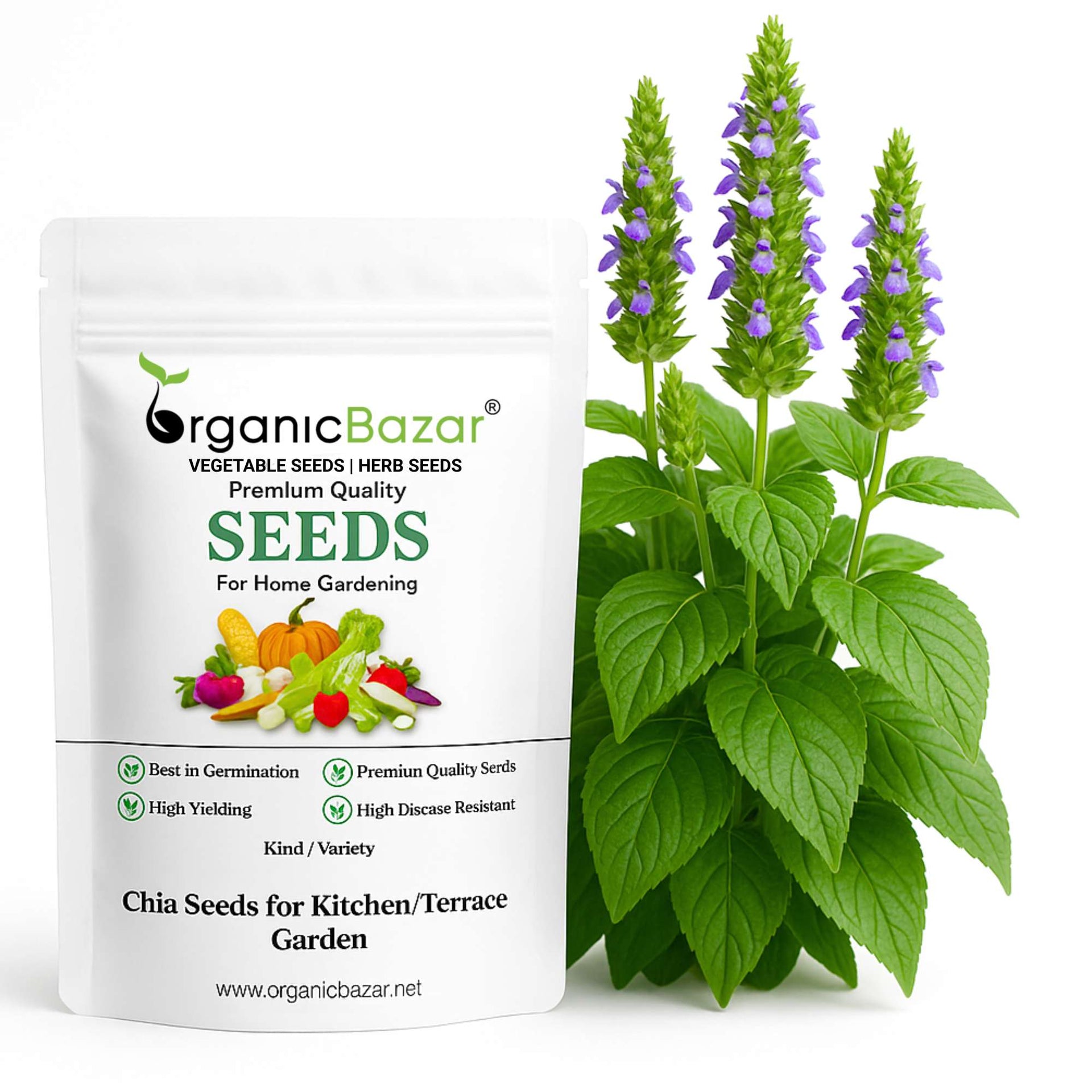
chia seeds plant pictures Chia Seeds for Kitchen/Terrace Garden (चिया के बीज)Chia seeds are a good source of omega 3 fatty acids, fiber, antioxidants, calcium, and iron. Lots of chia seeds benefit, people use chia seeds for weight loss, diabetes, and high blood pressure, and generally reduce the risk of heart disease and stroke (cardiovascular disease). Annual herb Chia plant flowers are purple or white and are produced in many clusters in a spike at the end of each stem. Buy the best quality Fresh & Pure Chia (Salvia
Chia seeds are a good source of omega-3 fatty acids, fiber, antioxidants, calcium, and iron. Lots of chia seeds benefit, people use chia seeds for weight loss, diabetes, and high blood pressure, and generally reduce the risk of heart disease and stroke (cardiovascular disease). Annual herb Chia plant flowers are purple or white and are produced in many clusters in a spike at the end of each stem.
Buy the best quality Fresh & Pure Chia (Salvia hispanica L.) seeds online at the best price in India from www.organicbazar.net with a high germination rate.
About this item
- Number of Chia Seeds (chia ke beej): 2500 Seeds
- Where to grow: Balcony or terrace garden
- Growing season: Winter Season
- Sowing method: Direct or seedling method
- Germination temperature: 15 to 24°C
- Germination Time: 5-7 days
- Seeds Harvesting: Within 4-6 months
- Edible parts: Seeds are edible
What size grow bag is best for the Chia plant?
Chia Plant Growing Season In India
Chia prefers a cool climate and warm soil to germinate; Late August to October is the best time to sow chia seeds in India. Soil with good drainage is preferable, and the pH level should ideally be between 6 to 8.5 for optimal results.
How To Grow Chia Seeds plant
You can grow chia plants directly in any pot or start indoors using the seedling method. Annual herb chia plant grows very large and needs lots of space so it is not suitable in small pots/grow bags, you need to provide sufficient space for your chia plants. The optimum temperature for the germination of chia seeds is 15-24°C.
Chia Seeds Sowing Method
Select a pot/grow bag and fill them with a sowing medium (like potting mix or a mixture of cow manure, vermicompost, and cocopeat). Spread the chia seeds on it, then covered a thin layer of soil above the seeds. Give light water or sprinkle some water through a water sprayer and keep the soil moist. Chia seeds will be germinated within 5-7 days (depending on growing conditions).
How To Fertilize Chia Seeds Plant
Chia plant does not need much feed if you already used organic fertilizers before seed sowing. Apply any nitrogen-rich liquid fertilizer to your chia plants.
Chia Plant Care Tips
Water – Give regular water until plants are established after that give water as per needed, and keep the soil moist not soggy.
Soil – Chia plant can grow in all types of soil but it prefers clay, sandy and well-drained soil.
Sunlight – Chia plants grow quickly in 6-8 hours of direct full sunlight.
Temperature – Optimum temperature for a chia plant is between 10-32°C.
Common Pests and Disease – Chia plant is infected by root rot and stems rot but the cucumber mosaic virus is the most common plant virus which is spread by aphids. Use organic pesticide neem oil for your chia plants and make them free from diseases and insects.
Chia Plant Flowering Time
Chia plants start flowering after 3 months of planting. They are pollinated by insects or they will also self-pollinate. The small chia seeds will form in the heads of the flowers.
Chia Seeds Harvest Time
- You can harvest chia seeds from flowers within 4-6 months.
- Harvest when most of the petals have fallen off the flower, don’t wait until the flower heads brown you may lose the chia seeds.
- Use a gardening scissor and cut the entire flower's head off the chia plant and dry them, after drying out crush the flower's head with your hand to separate the seeds.
- You can store chia seeds for 2-3 years.
Chia Seed Plant Special Features
- Scientific name – Salvia Hispanica
- Hindi name - चिया
- Height – Above 180 cm
- Flower color – Purple and white
- Growing level - Easy
FAQ
Are chia leaves are edible?
Yes, chia leaves are high in protein and nutrients and can be eaten in salads or used as spinach.
Why are my chia plant seeds not germinating?
Chia plant seeds will not germinate because of improper growing conditions like not getting enough sunlight, sowing seeds too deep in the soil, over watering or under watering.
Note: Images are for reference purposes only. The actual product may vary in shape or appearance based on climate, age, height, etc.
Shipping Notes
- Free Standard Shipping on $100+ Orders to the USA.
- Except Preorder products are shipped in 48 hours.
- Delivery to the USA:
- Standard Shipping : 3-10 business days
- If time is of the essence, please consider selecting expedited delivery for faster service.
Exchange/Return Notes
- We offer a 30-day return/exchange service after receiving.
- Final sale items are not eligible for returns or exchanges.
- To process your return/exchange, please contact us at [email protected]
- Please click here for more details>>> Return & Exchange Policy