Pay in installments of $6.53 with
 ,
,
 and
and

Shipping Estimate
USA
- USA
- CAN
- USA
- CAN
Ships within 48 hours · Estimated delivery Aug 8 - Aug 13
 Promo Codes Available:
For Your Every Summer RSVP, with Code: SUMMER15
Description
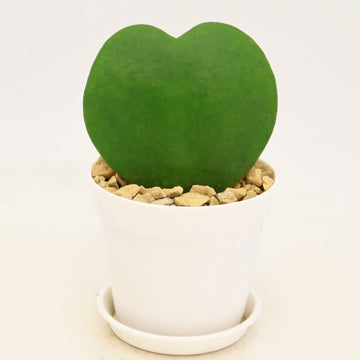
love plant succulent Hoya Heart Plant ‘Hoya kerrii’ Lovers Day Valentines Gift – Single & Double Hearts 4" / Double HeartIntroducing the Hoya heart plant, also known as Hoya Kerrii Single Heart Leaf, which represents love with its charming heart shaped leaves. It's no wonder that this Hoya heart plant has become a popular choice for long distance relationship gifts and for showing your love on Valentine's Day or Lovers's Day. Native to Southeast Asia, the Hoya heart plant has several other common names, such as sweetheart hoya vine, hoya hearts, lucky heart plant, and
Introducing the Hoya heart plant, also known as Hoya Kerrii Single Heart Leaf, which represents love with its charming heart-shaped leaves. It's no wonder that this Hoya heart plant has become a popular choice for long-distance relationship gifts and for showing your love on Valentine's Day or Lovers's Day.
Native to Southeast Asia, the Hoya heart plant has several other common names, such as sweetheart hoya vine, hoya hearts, lucky heart plant, and Valentine's hoya. Unlike the Trailing Hoya Kerrii vine, which has long vines that cascade down, these Valentine plants are unique as they stay single-leaf, making them the perfect plant for a tabletop or windowsill.
The Single Heart Hoya Kerrii plant features vibrant, solid green hearts with thick, fleshy, and waxy leaves, which can vary slightly depending on the heart-shaped hoya plant's age and growing conditions.
The Heart Hoya Kerrii single-leaf growth is slow, which means it won't outgrow its pot too quickly and stay as a single heart-shaped leaf. This makes your love plants ideal for indoor gardening, as they can be easily maintained in small pots and kept at a manageable size. With proper care and attention, the Hoya Kerrii one-leaf plant can reach a height of around 5 inches, making it a compact and attractive addition to any indoor space in a pot.
Additionally, it's important to note that the Hoya heart succulent is considered non-toxic to humans and pets. So, you can enjoy its beauty without worrying about any harmful effects.
Watering Needs
When it comes to watering your hoya heart plant, water it when the top inch of soil feels dry to the touch. This usually translates to watering every 1-2 weeks, depending on the temperature and humidity levels in your environment. During the warmer months or if your Hoya heart plant is in a brighter spot, it may require more frequent watering. However, during the winter months or if it's in a cooler area, you can reduce the frequency of watering.
When watering, make sure to thoroughly saturate the soil, allowing the excess water to drain away via a drainage hole. Avoid leaving your Hoya plant heart in a saucer of standing water, as this can lead to root rot. It's also a good idea to use a pot with drainage holes to ensure proper water flow.
Remember, it's always better to underwater than to overwater your single-leaf Hoya Kerrii. These tropical plants are quite resilient and can tolerate periods of drought better than excessive moisture. Observing your Hoya kerrii sweetheart leaves can also give you some clues about their watering needs. If the leaves start to shrivel or become wrinkled, it may be a sign that they need a drink.
Light Requirements
When it comes to indoor growing, this single-leaf Hoya heart plant prefers bright, indirect light. Place it near a window that receives bright, filtered sunlight throughout the day. Direct sunlight can be too intense and may scorch the leaves of this delicate Hoya plant. If you notice that the leaves are turning yellow or brown, it might be a sign that it's receiving too much direct sunlight. Adjust the position of your Hoya kerrii heart accordingly to provide the right amount of light.
If you're considering growing your hoya heart plant outdoors, it's best to place your hoya Kerrii in a partially shaded area. This means finding a spot where it receives a few hours of morning or late afternoon sunlight but is protected from the intense midday sun. This will help prevent the leaves from getting burned and ensure optimal growth.
Optimal Soil & Fertilizer Needs
The Hoya kerrii heart plant favors very airy, sandy soil that drains well. Planting them in ordinary wet soil will result in compacted roots, stunted growth, and most likely root rot. Instead, make or buy a well-draining potting mix, or ideally use our specialized succulent potting mix that contains 5 natural substrates and mycorrhizae to promote the development of a strong root system that helps your heart-shaped succulent thrive.
When it comes to fertilizing this plant, it's best to use a balanced, water-soluble fertilizer. During the growing season, which is typically spring, you can feed your Valentine plant once a year. Dilute the fertilizer according to the manufacturer's instructions and apply it to the soil. Be careful not to over-fertilize, as this can lead to salt buildup and damage the roots. In the winter months, when the hoya heart plant is in its dormant phase, you can reduce or stop fertilizing altogether.
Hardiness Zone & More
The Hoya heart plant is generally well-suited for indoor environments, making it a popular choice for houseplant enthusiasts. It thrives in average room temperatures ranging from 65°F to 75°F. It's important to keep your hoya heart plant away from drafts and extreme temperature fluctuations, as it prefers a stable and consistent environment. As for humidity, the Hoya heart plant does well at typical household humidity levels, but it appreciates slightly higher humidity. You can increase humidity by placing a tray of water near your single-leaf hoya heart or using a humidifier.
If you're considering placing this plant outdoors, it's important to note that it is not frost-tolerant and should be protected from cold temperatures. The Hoya heart plant is typically suitable for USDA hardiness zones 10–12, where temperatures do not drop below 30°F. In these zones, it can be grown outdoors as long as it is provided with filtered or indirect sunlight. However, it's important to gradually acclimatize the single-heart hoya plant to outdoor conditions to avoid shock.
Final Thoughts
Overall, the Hoya Heart Plant is a wonderful choice for plant enthusiasts and makes for the perfect gift for loved ones. Its heart-shaped leaves symbolize love and affection, making it an ideal present for anniversaries, Valentine's Day, or Lovers Day Valentines Gift. Not only is it a thoughtful gift, but it also has the potential to thrive for years to come, becoming a lasting reminder of your love and the bond you share. Hoya kerrii thrives in bright, indirect light, watering when soil feels dry, but avoids overwatering. A well-draining potting mix prevents waterlogging.
With proper care, your Hoya heart plant will flourish and bring joy to your space and your relationship.
Shipping Notes
- Free Standard Shipping on $100+ Orders to the USA.
- Except Preorder products are shipped in 48 hours.
- Delivery to the USA:
- Standard Shipping : 3-10 business days
- If time is of the essence, please consider selecting expedited delivery for faster service.
Exchange/Return Notes
- We offer a 30-day return/exchange service after receiving.
- Final sale items are not eligible for returns or exchanges.
- To process your return/exchange, please contact us at [email protected]
- Please click here for more details>>> Return & Exchange Policy