Pay in installments of $5.88 with
 ,
,
 and
and

Shipping Estimate
USA
- USA
- CAN
- USA
- CAN
Ships within 48 hours · Estimated delivery Jul 5 - Jul 10
 Promo Codes Available:
For Your Every Summer RSVP, with Code: SUMMER15
Description
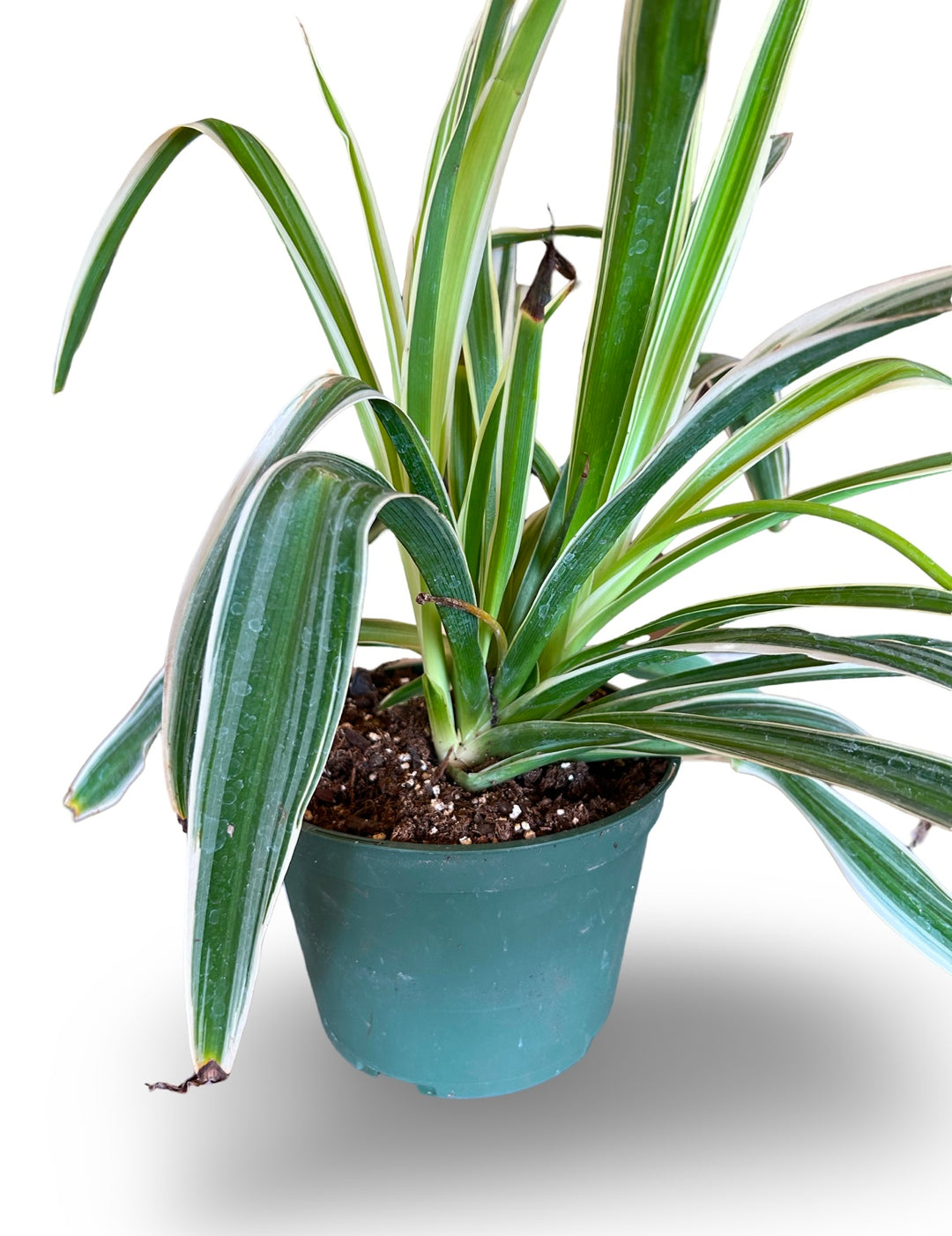
spider plant varieties names Spider Plant Asst VarietiesSpider plant, Chlorophytum comosum, is one of the most common and well known of all houseplants. It is especially popular with beginners, being easy to grow and propagate, tolerant of neglect, and able to thrive in nearly any type of condition. It gets its common name from the small plantlets produced on long trailing stems that vaguely resemble spiders. This clump forming, perennial, herbaceous plant, native to coastal areas of South Africa, has
Spider plant, Chlorophytum comosum, is one of the most common and well-known of all houseplants. It is especially popular with beginners, being easy to grow and propagate, tolerant of neglect, and able to thrive in nearly any type of condition. It gets its common name from the small plantlets produced on long trailing stems that vaguely resemble spiders.
This clump-forming, perennial, herbaceous plant, native to coastal areas of South Africa, has narrow, strap-shaped leaves arising from a central point. The leaves may be solid green or variegated with lengthwise stripes of white or yellow. The leaves are not flat but appear channeled or folded down the middle. Plants grows 12-15″ tall. The thick, fleshy roots and rhizomes evolved to store water, allowing it to survive inconsistent watering.
Long, wiry stems up to 2 feet long are produced, sometimes with a few small leaves, especially in response to short days and long, uninterrupted nights for at least three weeks, although they may appear at any time of year indoors. Small white, star-shaped flowers are produced at the ends of the stems. After flowering, more leaves are produced at the end of the stems, forming small plantlets. If a flower is pollinated, a leathery, 3-angled capsule-type fruit is produced that contains flat black seeds.
Studies have shown that spider plant is quite effective in cleaning indoor air by absorbing chemicals including formaldehyde, xylene, benzene, and carbon monoxide in homes or offices.
Spider plant is very easy to grow indoors in medium to bright light throughout the year. It does well with average humidity and cool to average temperature, although it can tolerate warmer conditions. Use a general-purpose potting soil or soilless medium. Plants grow and produce plantlets best when slightly pot-bound. Because they grow quickly and the roots can easily become too crowded, they need frequent repotting to do their best.
Allow the soil to dry slightly between thorough waterings. Fertilizing every 3-4 months is usually sufficient, or feed more frequently using half strength fertilizer solution. Be aware that heavily fertilized plants may not form as many plantlets and excessive fertilizer may lead to tip browning.
Spider plant generally has few pest problems other than scale insects and mealybugs. Tip burn of the leaves is a common problem that can have many causes. Low humidity, excessively dry soil, salt accumulation and/or chemicals, particularly fluoride or chlorine, in tap water or filtered water may cause brown leaf tips. Using distilled or rainwater will help prevent tip browning. Overwatering or planting in poorly drained soils can lead to root rot.
This plant can also be grown outdoors as an annual in cool climates. It does well in most well-drained soils and should be bedded out after the last frost. Spider plant is a good addition to containers with its grass-like foliage that makes a nice contrast to other foliage types. It is quite well suited to a hanging basket, where the stems can hang down. Outdoors they need bright light but can sunburn if grown in full sun. In warmer climates, they make a nice ground cover in partly shaded areas in the garden.
Shipping Notes
- Free Standard Shipping on $100+ Orders to the USA.
- Except Preorder products are shipped in 48 hours.
- Delivery to the USA:
- Standard Shipping : 3-10 business days
- If time is of the essence, please consider selecting expedited delivery for faster service.
Exchange/Return Notes
- We offer a 30-day return/exchange service after receiving.
- Final sale items are not eligible for returns or exchanges.
- To process your return/exchange, please contact us at [email protected]
- Please click here for more details>>> Return & Exchange Policy