Pay in installments of $5.48 with
 ,
,
 and
and

Shipping Estimate
USA
- USA
- CAN
- USA
- CAN
Ships within 48 hours · Estimated delivery Aug 1 - Aug 6
 Promo Codes Available:
For Your Every Summer RSVP, with Code: SUMMER15
Description
lavender plant requirements Lavandula angustifolia 'Munstead' | Outdoor PlantClassic compact lavender with Lavandula angustifolia 'Munstead' Lavandula angustifolia 'Munstead' is a compact English lavender with violet blue flower spikes and a strong, familiar scent. It forms a neat mound that reads cleanly as edging or as a repeated accent through sunny beds and container plantings. The plant keeps a woody framework, so it offers structure beyond flowering. With consistent, light shaping, the outline stays dense and the foliage
Classic compact lavender with Lavandula angustifolia 'Munstead'
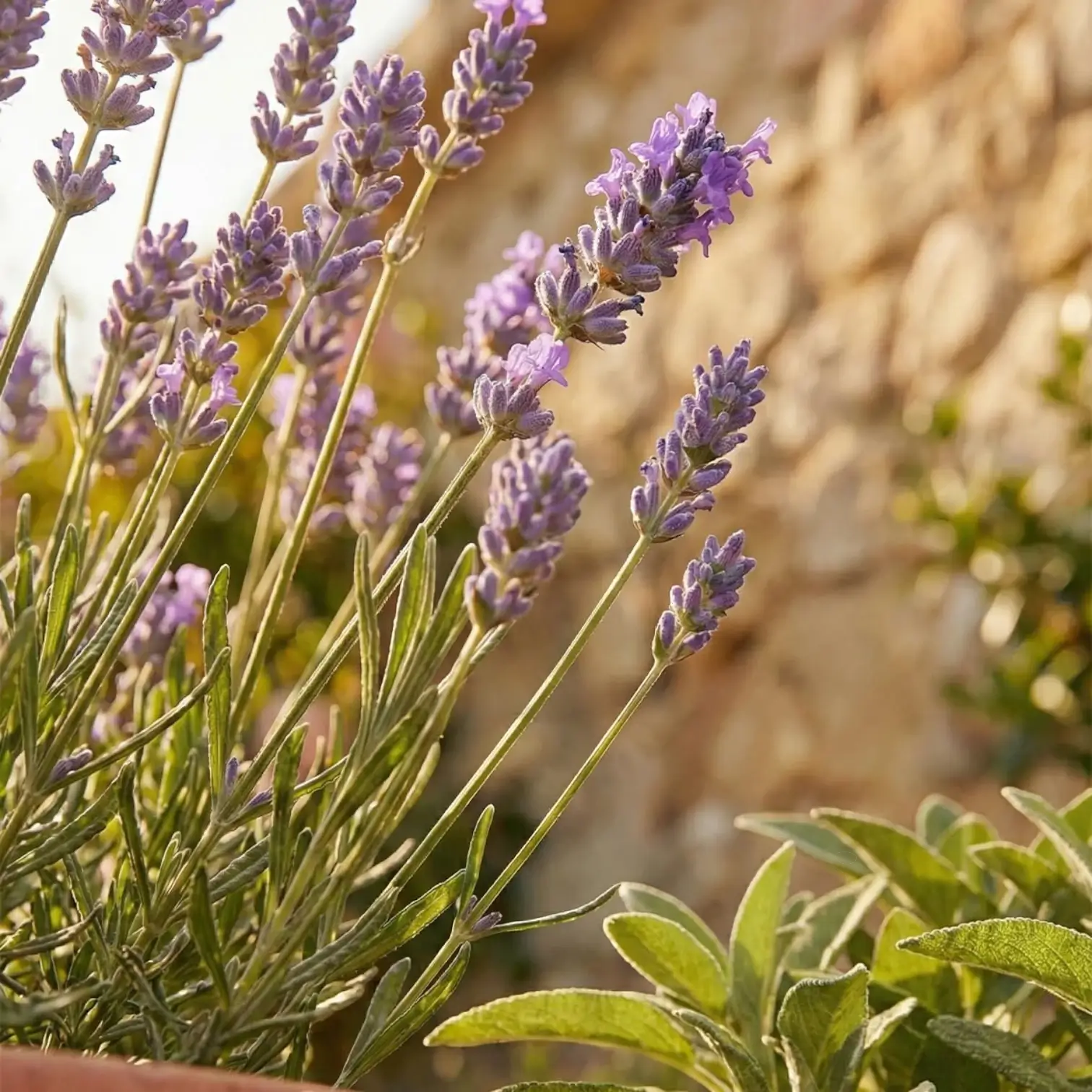
Lavandula angustifolia 'Munstead' is a compact English lavender with violet-blue flower spikes and a strong, familiar scent. It forms a neat mound that reads cleanly as edging or as a repeated accent through sunny beds and container plantings.
The plant keeps a woody framework, so it offers structure beyond flowering. With consistent, light shaping, the outline stays dense and the foliage remains an active part of the display rather than a background layer.
Munstead growth and seasonal shape
Spring growth starts from the woody base and quickly fills out into a rounded mound. Flower stems rise above the foliage in summer, then the plant settles back into evergreen texture once spent stems are removed.
A mature plant usually reaches around 45-60 cm in height with a spread around 60 cm, depending on root space and pruning. In pots, growth tends to stay more restrained, which can be useful when you want a compact lavender shape close to seating.
Sunny placement and soil texture
Open sun supports firm growth and better flowering. A lean, well-drained root zone is the main requirement; lavender copes with a wide pH range when drainage is good and the crown is not kept damp.
If soil is heavy, improve structure with grit through the planting area and avoid thick organic mulch against the base. In gravel-style planting, the foliage and flowers read especially well against stone and pale mineral surfaces.
Reading pot moisture by depth
Use a pot with generous drainage and a gritty outdoor mix. Water thoroughly when needed, then allow the mix to dry back so roots regain air.
A simple check is the top third of the pot: when it feels dry and the container is noticeably lighter, water deeply and let excess drain away. Avoid keeping the centre constantly moist, especially during cool or wet spells.
Pruning Munstead after flowering
Light shaping after bloom keeps the mound tight and helps prevent woody gaps forming. Keep cuts in green growth where leafy buds are present.
- After flowering: cut off spent stems and lightly round the mound.
- Spring tidy: remove winter damage once new shoots are moving.
- Cut depth: avoid cutting back into bare wood with no leafy growth.
- Feeding: keep nutrition light; overly rich growth softens stems and scent.
Munstead issue signals
A dull, soft centre is usually a drainage signal rather than a drought signal. In containers, repeated rain plus a heavy mix can trigger quick decline unless excess water can escape freely.
Reduced flowering most often links to reduced sun or pruning that was too late in the season. If the plant looks open and leggy, a slightly earlier trim and brighter exposure usually restores density.
Practical uses for Munstead
Lavandula angustifolia 'Munstead' suits herb gardens, path edging, small sunny beds, and container groups where you want a compact lavender mound with reliable summer colour. It pairs easily with rosemary, thyme, salvias, and fine grasses, and it holds its place in a scheme beyond peak flowering.
Shipping Notes
- Free Standard Shipping on $100+ Orders to the USA.
- Except Preorder products are shipped in 48 hours.
- Delivery to the USA:
- Standard Shipping : 3-10 business days
- If time is of the essence, please consider selecting expedited delivery for faster service.
Exchange/Return Notes
- We offer a 30-day return/exchange service after receiving.
- Final sale items are not eligible for returns or exchanges.
- To process your return/exchange, please contact us at [email protected]
- Please click here for more details>>> Return & Exchange Policy