Shipping Estimate
USA
- USA
- CAN
- USA
- CAN
Ships within 48 hours · Estimated delivery Jul 11 - Jul 16
 Promo Codes Available:
For Your Every Summer RSVP, with Code: SUMMER15
Description
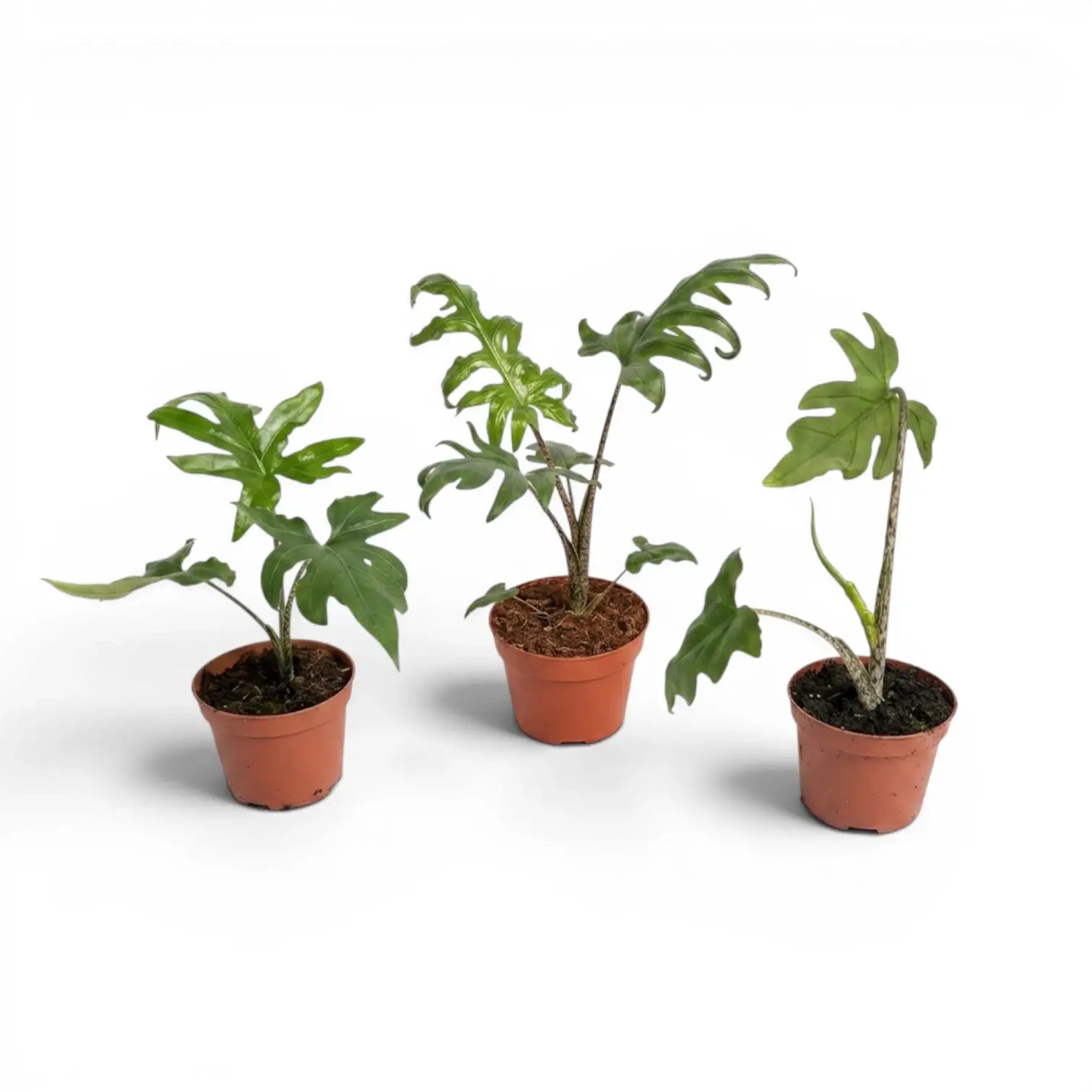
alocasia philodendron Alocasia brancifolia 'Pink Passion' – Foliage FactoryAlocasia brancifolia 'Pink Passion' Alocasia brancifolia 'Pink Passion' has deeply divided green leaves and pink speckled petioles. The leaves are narrow, lobed and claw like, giving the plant a lighter shape above the pot. Pink markings stand out along the upright leaf stalks below the divided green blades. Alocasia brancifolia is native to Maluku and New Guinea and grows in wet tropical conditions. In nature, it can become much larger, with an erect
Alocasia brancifolia 'Pink Passion'
Alocasia brancifolia 'Pink Passion' has deeply divided green leaves and pink-speckled petioles. The leaves are narrow, lobed and claw-like, giving the plant a lighter shape above the pot. Pink markings stand out along the upright leaf stalks below the divided green blades.
Alocasia brancifolia is native to Maluku and New Guinea and grows in wet tropical conditions. In nature, it can become much larger, with an erect brown stem to around 1.2 m and divided leaf blades that can reach around 50 cm long and 30 cm wide. Indoors, Alocasia brancifolia 'Pink Passion' usually stays more contained, but older plants can develop a visible stem, firm petioles and a fuller base.
Leaf shape and pink petioles
Alocasia brancifolia has sagittate blades with the main lobes divided into narrow segments, often cut deeply toward the midrib. Each mature leaf develops a branched, paw-like or antlered outline. Young plants may begin with simpler leaves, then produce deeper divisions as the stem and root system gain size.
Typical Alocasia brancifolia petioles are green to mottled or zebra-striped with brown. Alocasia brancifolia 'Pink Passion' shows pink speckling and markings along the leaf stalks. The intensity can vary between plants and between leaves. In stronger indirect light, petioles stretch less; harsh direct sun can scorch the divided blades.
- Leaf shape: Deeply divided green blades with narrow lobes and a claw-like outline.
- Petioles: Upright leaf stalks with pink speckling or mottling in this named form.
- Growth habit: Upright growth with leaves held above the base.
- Wild scale: Wild plants can be much larger than indoor plants, with leaves recorded to around 50 cm long.
- Indoor scale: Colour shows mainly on the pink-marked petioles.
Native range and habitat
Alocasia brancifolia belongs to Araceae and is native to Maluku and New Guinea. It grows in lowland forest understorey, often in very humid, wet tropical places. Indoors, keep the plant warm and water before the whole pot dries out, but use an airy mix so the roots do not rot in wet, compacted substrate.
Older indoor plants may lift their leaves higher above the pot and become more trunk-like than compact Alocasias. Healthy roots usually produce larger, more divided leaves. After a move, repot or low-light period, the next leaves may be smaller while damaged or disturbed roots regrow.
Indoor development and leaf structure
With age, the stem can become more visible and the leaves can sit higher above the pot. The deeply divided blades give the plant a lighter look than broad-leaved Alocasias, even when the plant gains size.
Because the leaves are divided, damage is easy to see along the lobes and tips. Let new leaves expand with minimal handling. The petioles also carry much of the plant’s colour, so rotating the pot occasionally keeps new petioles from leaning strongly toward one side. Keep it away from cold glass, heater blast and air-conditioning streams, as sudden changes can mark soft new petioles.
Brancifolia petiole care
- Light: Give filtered daylight or soft morning sun. Petioles stretch less in enough light, while harsh sun can mark the narrow lobes.
- Watering: Water thoroughly, then allow the upper 25–35% of the mix to dry. In cooler or darker periods, wait closer to 40–50% before watering again so the lower roots do not stay wet for too long.
- Substrate: Use a loose aroid substrate with bark, coarse mineral particles and a moisture-holding base. It should hold some moisture without becoming dense or soggy.
- Temperature: In cooler rooms, wait longer between waterings because the root zone uses moisture more slowly.
- Humidity: At 60–80% humidity, young leaves usually open with fewer dry tears. Use a humidifier, cabinet for young plants or grouped setup if the air is very dry.
- Feeding: Feed lightly when new leaves are forming. Larger leaves and petioles use more nutrients, but heavy fertiliser can leave salts in the mix and burn fine roots.
- Pot choice: Use a stable pot that balances the upright growth. Move up gradually so the roots do not sit inside a large ring of wet unused substrate.
- Mineral substrates: Alocasia brancifolia 'Pink Passion' can be grown in inert mineral or semi-hydro substrates after a careful transition, with stable temperatures and regular diluted fertiliser.
Pruning, stability and lower-light handling
Remove fully yellowed leaves at the base once they have faded. Older leaves may retire after transport, repotting or a change in light. Keep the stem and base clear of dead tissue, but avoid cutting healthy petioles just to shape the plant. Healthy leaves still feed the roots; removing too many at once can reduce the size of the next leaves.
When light levels drop, Alocasia brancifolia 'Pink Passion' may sit without much visible change for a while. Watering should follow the pot’s drying pattern, because a cooler pot can remain wet deep down while the surface looks ready. Keep the plant warm, avoid cold draughts and wait for new leaves before division or major repotting.
Stress at blades, stems and roots
- Brown lobes or tips: Check for direct sun, dry air, irregular watering or mineral build-up. Narrow leaf segments show stress quickly at the edges.
- Yellow leaves: Inspect moisture below the surface and check whether the lower mix is staying wet. Yellowing with a heavy pot often points to root stress.
- Limp petioles: Review water status, root health and temperature. Cold wet roots can weaken the upright petioles.
- Small or less-divided leaves: Recent stress, low light or a young plant can reduce leaf division. Mature plants with larger stems usually produce deeper lobes.
- Faded petiole markings: Check light level, root condition and whether the newest leaves are smaller than older ones. Marking intensity can vary naturally, but weak roots often produce duller petioles.
- Leaf-surface pests: Spider mites, thrips, aphids and mealybugs can settle along petioles, new growth and leaf undersides. Inspect the divided leaves carefully because pests can hide near the lobes.
Propagation and flowering
Propagation is usually by division or offsets while the plant is actively rooting. Wait until the plant has a strong root system and separate only firm, viable sections. Small divisions need warmth, humidity and an airy mix so roots regrow before the base softens. Because this species can build a taller stem with age, handle divisions carefully so the plant stays stable while roots re-establish.
Mature Alocasia brancifolia can produce paired inflorescences with a spathe and spadix. After pollination, these can develop orange-red berries. Flowering is uncommon indoors and depends on plant maturity and conditions. Indoor plants show divided leaves and pink-marked petioles even when they do not flower.
Handling divided leaves
Alocasia brancifolia 'Pink Passion' has irritating sap and plant tissue. Keep cut petioles and trimmed leaves away from pets and young children. Wear gloves for pruning, repotting or division if your skin reacts easily.
Brancifolia and divided foliage
The accepted botanical name is Alocasia brancifolia (Schott) A.Hay, first published in Aroids of Papua New Guinea in 1990. Xenophya brancifolia Schott is the basionym.
The species epithet combines Latin branca, meaning paw, with folia, meaning leaf. It refers to the divided, paw-like leaf shape.
The divided blades and pink-marked petioles give this Alocasia a lighter shape than broad-leaved types.
Shipping Notes
- Free Standard Shipping on $100+ Orders to the USA.
- Except Preorder products are shipped in 48 hours.
- Delivery to the USA:
- Standard Shipping : 3-10 business days
- If time is of the essence, please consider selecting expedited delivery for faster service.
Exchange/Return Notes
- We offer a 30-day return/exchange service after receiving.
- Final sale items are not eligible for returns or exchanges.
- To process your return/exchange, please contact us at [email protected]
- Please click here for more details>>> Return & Exchange Policy