Shipping Estimate
USA
- USA
- CAN
- USA
- CAN
Ships within 48 hours · Estimated delivery Jul 9 - Jul 14
 Promo Codes Available:
For Your Every Summer RSVP, with Code: SUMMER15
Description
vicks plant succulent Shop 'Vicks PlantThe Vicks plant, also known as Plectranthus tomentosa, is a member of the mint family, and Plectranthus genus. It is a popular choice for respiratory health because its leaves contain essential oils that are known for their calming and soothing effects. The Vicks plant has many health benefits in addition to adding beauty to your home's interior design. The Vicks plant gets its common name from the distinct scent: its leaves emit when rubbed or
The Vicks plant, also known as Plectranthus tomentosa, is a member of the mint family, and Plectranthus genus. It is a popular choice for respiratory health because its leaves contain essential oils that are known for their calming and soothing effects. The Vicks plant has many health benefits in addition to adding beauty to your home's interior design.
The Vicks plant gets its common name from the distinct scent: its leaves emit when rubbed or crushed. The aroma is often described as similar to menthol or Vicks Vapor Rub, hence the name.
This delightful scent makes it a popular choice for aromatic gardens or as a natural air freshener indoors.
The Vicks plant has several other names such as Succulent Coleus, Cuban Oregano, Vicks vapor rub, and Plectranthus hadiensis var. tomentosus.
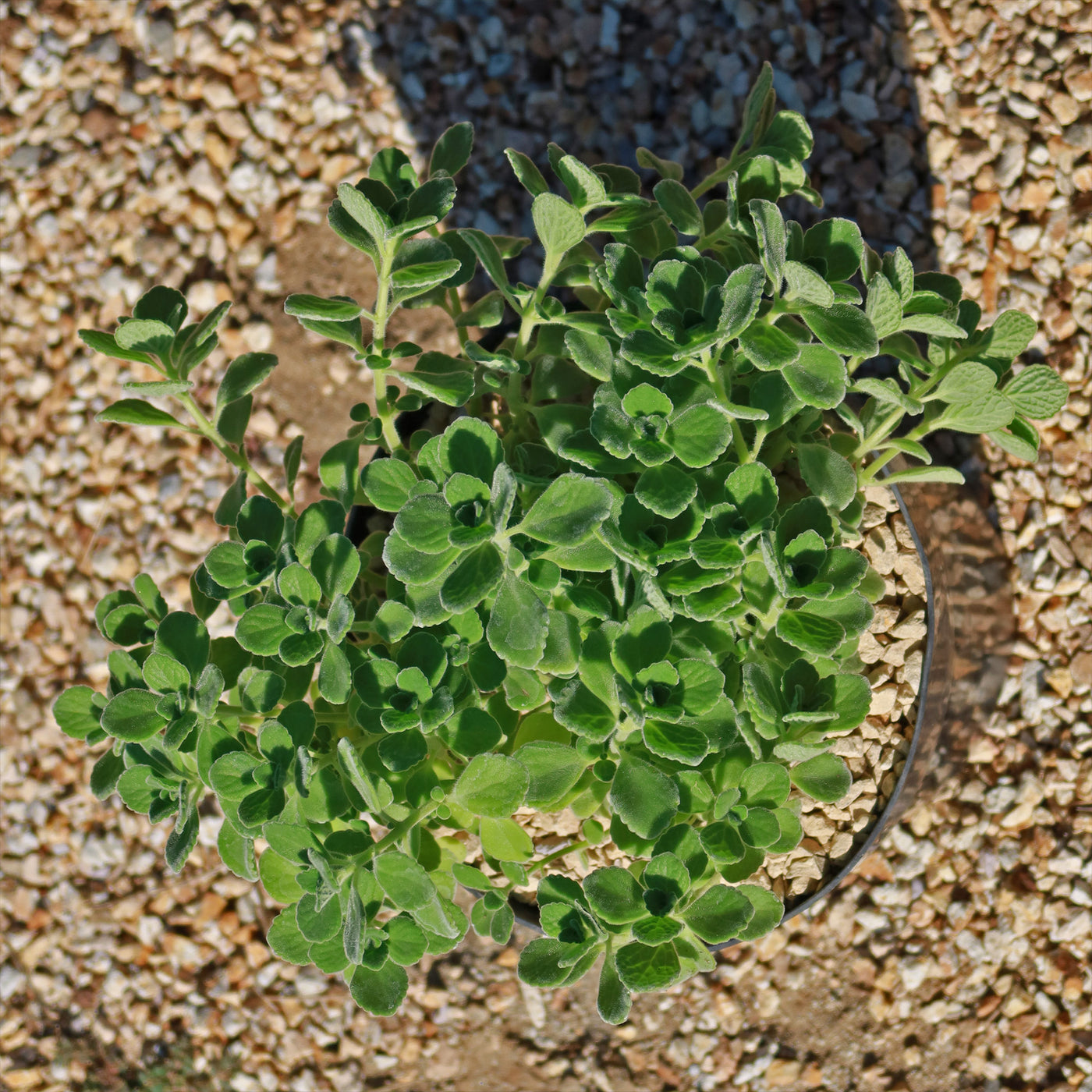
Native to South Africa, the Vicks plant has velvety, soft, fuzzy vibrant green leaves that are opposite and broadly ovate with scalloped margins, and densely hairy. This beautiful Vicks plant is known for the minty, camphor fragrance of its leaves. This whole plant itself is relatively compact and can grow up to 1 foot tall and 2.5 feet wide, making it suitable for both indoor and outdoor cultivation. With age, the lower stems can become extremely woody.
The Vicks plant's flowers are small, white to pale purple, or produce large quantities of lavender blooms. Its blooming season typically appears in early spring and again in fall and can last for several weeks. The growth rate of this Vicks plant is fast.
When and How to Water Your Vicks Plant
When it comes to watering the Vicks plant, it's important to strike a balance. This lovely Plectranthus prefers to be kept moderately moist, but not overly saturated. Aim to water it when the top inch of the soil feels dry to the touch. Be cautious not to let the soil dry out completely, as this can cause stress to your Vicks plant.
On the other hand, excessive watering can cause root rot. It's always a good idea to check the moisture level of the soil before watering to ensure you're providing just the right amount of hydration.
In the spring and summer, during the growing season, Vicks plants typically require watering once a week, ensuring the soil is moist but not waterlogged. In the winter, during the dormant season, reduce watering frequency to every 2-3 weeks to prevent root rot.
Light Requirements - Where to Place Your Vicks Plant
For indoor growing, Vicks plants require bright, indirect sunlight for at least 6-8 hours a day. It is important to place them near a window where they can receive adequate light without being exposed to direct sunlight, as this can cause the leaves to burn.
When grown outdoors, Vicks plant needs Full sun to partial shade for at least 4-6 hours daily. It enjoys basking in the gentle rays of the sun but be sure to shield it from direct sunlight for over 6 hours, as it can scorch its delicate velvety leaves.
It is best to provide them with a sheltered spot that receives dappled sunlight throughout the day for optimal growth and health.
If you notice the leaves starting to stretch or become pale, it might be an indication that it needs more light. So, let the Vicks plant soak up that sunshine, but remember to protect it from the harsh rays!
Optimal Soil & Fertilizer Needs
The Vicks plant needs well-drained organic-rich soil to germinate. Your soil must have a sandy texture and a low water-holding capacity, just like desert soil. Soggy wet soil can damage your succulents and contribute to bacterial and fungal rot. Ideally, you want to use our specialized succulent potting mix that contains 5 natural substrates and organic mycorrhizae to promote the development of a strong root system that helps your succulent to thrive.
As for fertilizer, natural fertilizers with an equal mix of NPK (5-10-5) are the best choice as they last longer and keep your soil alive by adding other beneficial compounds and microbes that encourage Vick's plant health and nutrient absorption. So, skip those harsh chemicals and give your succulent coleus some love with a good natural fertilizer!
Hardiness Zone & More
When growing indoors, the Vicks plants are best done in temperatures ranging from 65-75°F with high humidity levels. To mimic these conditions indoors, consider using a humidifier or placing the plant on a tray filled with water and pebbles.
For outdoor cultivation, ensure they are planted in hardiness zones 9-11, where temperatures do not drop below 30°F. Additionally, provide ample sunlight and well-draining soil to promote healthy growth. After a year or more of growth, the plants become woodier at the base and are more resistant to frost damage.
In terms of humidity, the Vicks plant enjoys moderate to high humidity levels. You can increase humidity by misting the leaves or placing a tray of water nearby. So, keep your favorite plant cozy in its preferred temperature range and provide it with some humidity, and it'll be happy and healthy!
Wildlife - Vicks Plant Attracts the Following Friendly Pollinators
The Vicks plant is known to attract a variety of friendly pollinators such as bees, butterflies, and hummingbirds with its fragrant flowers and nectar-rich blooms. These pollinators play a crucial role in the plant's reproduction process by transferring pollen from one flower to another, ultimately leading to the production of seeds.
How to Propagate Your Vicks Plant
To propagate a Vicks plant, you can take stem cuttings from a healthy, mature plant. Make sure the cutting is at least 4-6 inches long and has several leaves. Remove the lower leaves and dip the cut end in rooting hormone before planting it in a well-draining potting mix. Keep the cutting in a warm, humid environment and water it regularly until roots develop.
Key Takeaways
- The Vicks plant has thick, fuzzy leaves that emit a soothing, minty scent when touched or crushed, similar to menthol vapor.
- This plant is hardy in dry conditions and requires minimal watering, making it an ideal choice for drought-prone areas or low-maintenance gardens.
- During warmer months, it produces small, tubular lavender or pale purple flowers, adding a delicate aesthetic contrast to its lush green leaves.
- The Vicks plant thrives both indoors in bright, indirect light and outdoors in mild climates, particularly in USDA zones 9-11.
- It propagates easily through cuttings, making it simple to expand your collection or share with others.
The Bottom Line
Overall, the Vicks plant (Plectranthus tomentosa) is a unique houseplant with fuzzy leaves that release a menthol-like scent when touched. To care for this plant, make sure it receives bright, indirect light and water it when the top inch of soil feels dry. Additionally, occasional pruning can help maintain its compact shape and promote healthy growth. The Vicks plant is a great addition to a variety of settings. It is an absolute necessity for plant lovers who enjoy hanging baskets.
Don't miss out on this opportunity to add something truly exceptional to your garden. Order your very own Vicks Plant - Plectranthus tomentosa today!
Shipping Notes
- Free Standard Shipping on $100+ Orders to the USA.
- Except Preorder products are shipped in 48 hours.
- Delivery to the USA:
- Standard Shipping : 3-10 business days
- If time is of the essence, please consider selecting expedited delivery for faster service.
Exchange/Return Notes
- We offer a 30-day return/exchange service after receiving.
- Final sale items are not eligible for returns or exchanges.
- To process your return/exchange, please contact us at [email protected]
- Please click here for more details>>> Return & Exchange Policy