Pay in installments of $5.02 with
 ,
,
 and
and

Shipping Estimate
USA
- USA
- CAN
- USA
- CAN
Ships within 48 hours · Estimated delivery Jul 15 - Jul 20
 Promo Codes Available:
For Your Every Summer RSVP, with Code: SUMMER15
Description
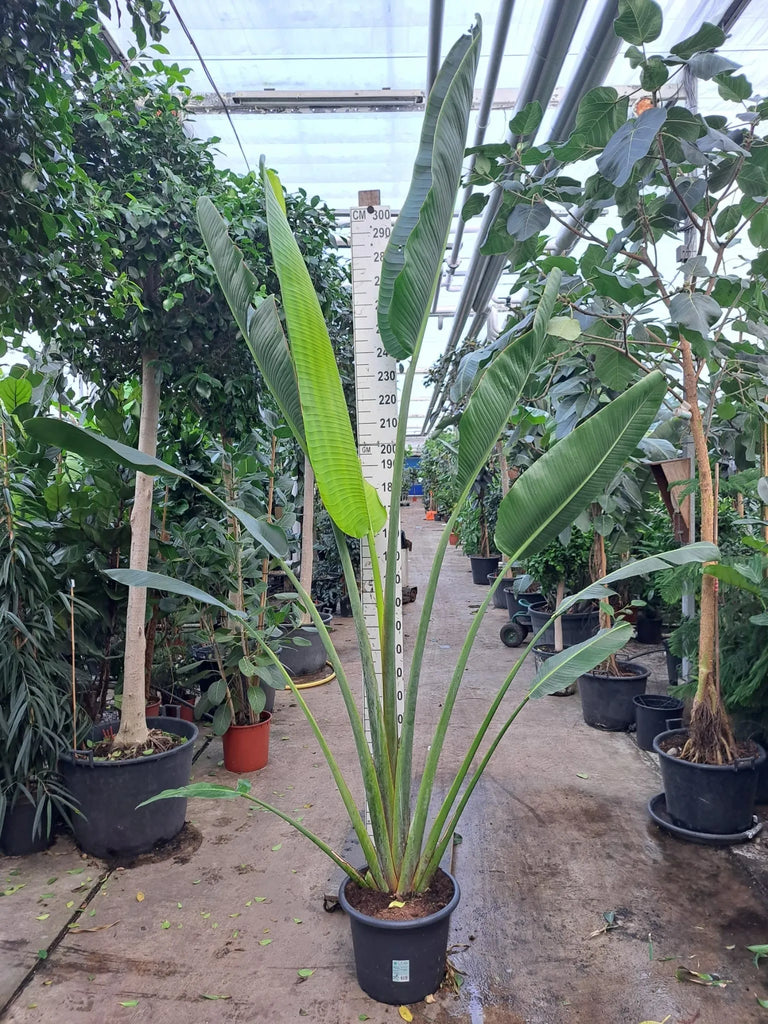
madagascar house plants 290Madagascariensis Travellers Palm Ravenala madagascariensis, commonly known as the Travellers Palm, is a spectacular tropical plant native to Madagascar, known for its fan shaped arrangement of giant, banana like leaves that emerge in a single plane from a central stem. Despite its name, it is not a true palm, but rather part of the Strelitziaceae family, making it a close relative of the Bird of Paradise. Its architectural form, upright habit, and
🌴 § Madagascariensis — Traveller’s Palm
Ravenala madagascariensis, commonly known as the Traveller’s Palm, is a spectacular tropical plant native to Madagascar, known for its fan-shaped arrangement of giant, banana-like leaves that emerge in a single plane from a central stem. Despite its name, it is not a true palm, but rather part of the Strelitziaceae family, making it a close relative of the Bird of Paradise. Its architectural form, upright habit, and sheer scale make it a favourite for tropical landscaping and large, bright indoor or conservatory spaces. The common name comes from the legend that thirsty travellers could pierce the plant’s leaf bases to drink the rainwater stored inside. In cultivation, Ravenala madagascariensis is valued for its symmetry, bold foliage, and tropical grandeur, often used as a living sculpture in contemporary plant displays. While it prefers warm, humid environments and full sun, it can be grown indoors with adequate light and space.
☀️ Light Requirements
-
Outdoors: Thrives in full sun to partial shade. Best form develops in open light.
-
Indoors: Requires bright, indirect light or a conservatory position with high natural light.
-
Too little light: Results in weak, slow growth and drooping foliage.
🌡️ Temperature & Humidity
-
Ideal temperature: 20–30°C (68–86°F)
-
Minimum temperature: Keep above 12°C (54°F); not frost-hardy
-
Humidity: Prefers moderate to high humidity. Benefits from misting or a humidifier if grown indoors in dry air.
💧 Watering Needs
-
Watering frequency: Water regularly to keep the soil consistently moist but not soggy.
-
Summer: Requires more frequent watering, especially in hot, sunny conditions.
-
Winter: Reduce watering slightly when light levels and temperatures drop.
-
Tip: Allow the top few centimetres of soil to dry slightly before watering again.
🪴 Soil & Repotting
-
Soil type: Rich, well-draining compost with good water retention. A mix of houseplant compost, loam, and perlite is ideal.
-
pH: Neutral to slightly acidic (6.0–7.0)
-
Repotting: Every 2–3 years or when the plant becomes pot-bound. Use a large, heavy container for stability.
🌱 Feeding
-
Growing season (spring–summer): Feed every 2–4 weeks with a balanced liquid fertiliser.
-
Autumn–winter: Reduce feeding or pause during periods of slow growth.
✂️ Pruning & Maintenance
-
Pruning: Remove old or damaged leaves at the base as needed to maintain the plant’s clean form.
-
Leaf care: Wipe down with a soft, damp cloth to remove dust if grown indoors.
-
Growth habit: Upright and symmetrical; the fan-like leaf arrangement becomes more dramatic as it matures.
🌾 Propagation
-
By division: Propagate via basal offsets (pups) when repotting.
-
Seed: Possible, but very slow and unreliable outside of tropical climates.
🐛 Pests & Problems
-
Common pests: Spider mites, mealybugs, and scale insects — especially in dry, indoor environments.
-
Symptoms: Browning edges, curling leaves, or visible pests.
-
Treatment: Wipe affected leaves and treat with neem oil or insecticidal soap.
-
Common issues:
-
Leaf tearing: Natural due to wind or movement; not typically a health concern.
-
Yellowing or wilting leaves: Usually a sign of overwatering or root restriction.
-
🧤 Toxicity & Safety
-
Toxicity: Non-toxic to pets and humans.
-
Handling tip: The leaf bases can store water; empty if stagnant water collects to prevent rot or pests.
🏡 Indoor & Outdoor Care Highlights
-
A show-stopping architectural specimen for tropical gardens, large atriums, or bright conservatories.
-
Ideal for poolside displays, exotic courtyard planting, or container growing in summer (move indoors in winter).
-
Pairs beautifully with Strelitzia nicolai, Alocasia ‘Regal Shields’, or Banana Musa for a jungle feel.
-
Makes an excellent statement piece in high-ceilinged interiors or glasshouses with good humidity and warmth.
-
Grows large over time — best suited for committed plant keepers or show gardens.
Shipping Notes
- Free Standard Shipping on $100+ Orders to the USA.
- Except Preorder products are shipped in 48 hours.
- Delivery to the USA:
- Standard Shipping : 3-10 business days
- If time is of the essence, please consider selecting expedited delivery for faster service.
Exchange/Return Notes
- We offer a 30-day return/exchange service after receiving.
- Final sale items are not eligible for returns or exchanges.
- To process your return/exchange, please contact us at [email protected]
- Please click here for more details>>> Return & Exchange Policy