Shipping Estimate
USA
- USA
- CAN
- USA
- CAN
Ships within 48 hours · Estimated delivery Jul 15 - Jul 20
 Promo Codes Available:
For Your Every Summer RSVP, with Code: SUMMER15
Description
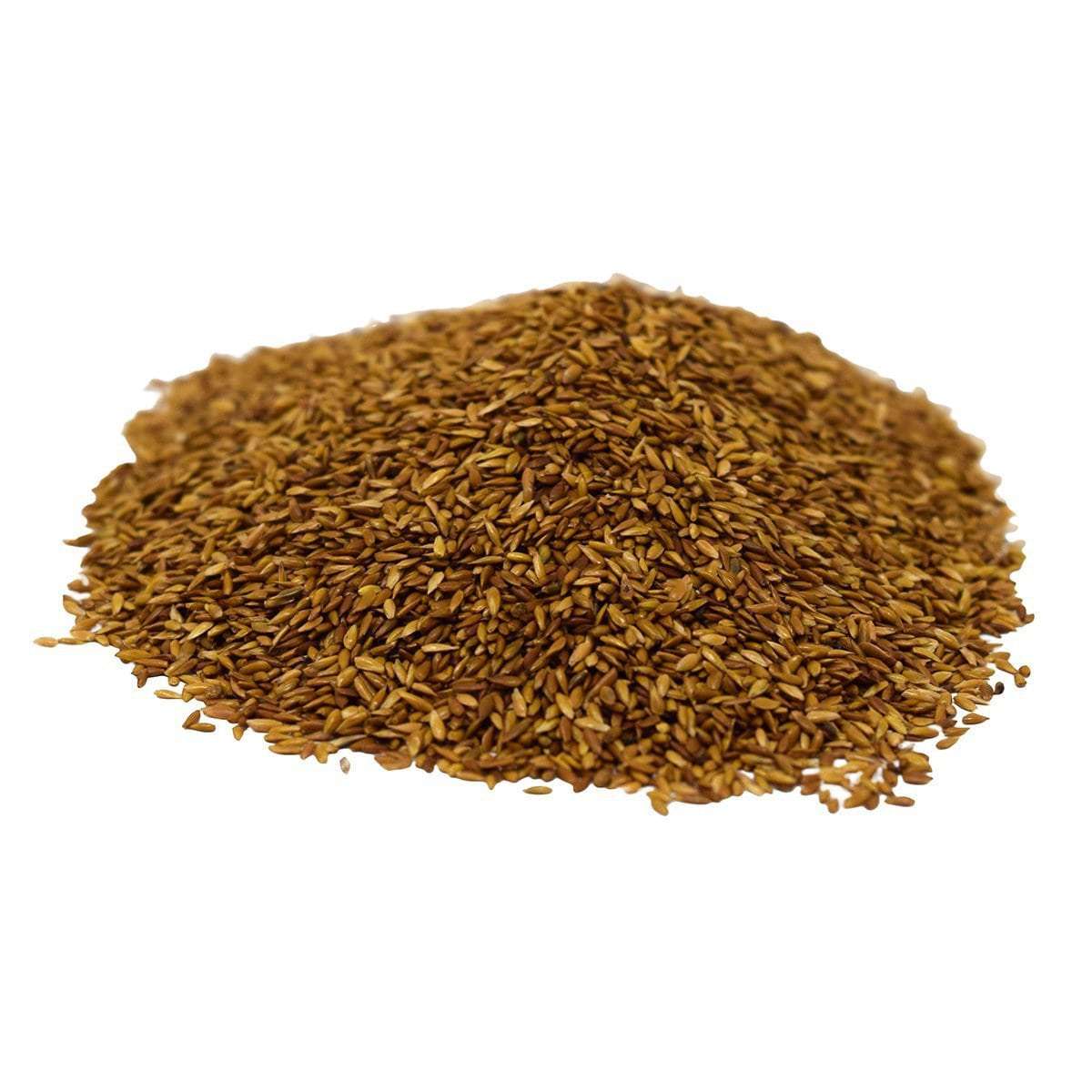
planting zoysia seed Zenith Zoysia Grass SeedZenith Zoysia is considered one of the most beautiful lawn grass species available from seed. Zenith Zoysia is a warm season lawn grass grown throughout the central and southern climates around the world. Recommended planting time is spring and summer when night time temperatures are consistently 65+ degrees and 3 months prior to first frost.~~~ Zenith Zoysia is considered one of the most beautiful lawn grass species available from seed. Zenith Zoysia
Zenith Zoysia is considered one of the most beautiful lawn grass species available from seed. Zenith Zoysia is a warm season lawn grass grown throughout the central and southern climates around the world. Recommended planting time is spring and summer when night time temperatures are consistently 65+ degrees and 3 months prior to first frost.~~~
Zenith Zoysia is considered one of the most beautiful lawn grass species available from seed. Zenith Zoysia is a warm season lawn grass grown throughout the central and southern climates around the world.
Product Information
- Application or Use: Lawn, Turf, Athletic Fields, Golf Courses, Parks & Recreation
- Germination Time: 21 - 28 days, under optimal conditions
- Growing Locations: Warm Season &Transition Zone
- Height: 1 - 2 inches
- Sunlight Requirements: 6 - 8 hours
- Advantages: Tolerant of partial shade or bright filtered shade (pine shade or high shade) with slow growth habits for low maintenance.
- When to Plant: Recommended planting time is spring and summer when night time temperatures are consistently 65+ degrees and 3 months prior to first frost.
Product Detail
- Stays greener later into the fall compared to other zoysia grasses
- Infrequent mowing requirements under low fertility
- Low fertility and water requirements
- Improved shade tolerance
- More convenient than sprigging or laying sod
Product Information
Zenith Zoysia is in the Japonica family, as is Meyer Zoysia, and is similar in many respects, including blade width and color. It is somewhat less and dense, thus making it easier to mow providing a better opportunity for inter-seeding with Tall Fescue for a year-round color. Zenith grows well in full sun or under light shade, and is presumed to have good cold tolerance. Planted shallow on a newly prepared seedbed and watered frequently, Zenith germinates readily, producing a stand of seedlings in as little as 10 days. Like all Zoysias, it grows and spreads slowly, and therefore seeding rates of 1 to 3 lbs. per 1,000 square feet are recommended.
Zenith is a new Zoysia which looks much like Meyer (Z-52) Zoysia, a blade-width similar to Centipede, many Bluegrasses, and some Ryegrasses, but not as wide as most Fescues. It is not as fine-bladed as Emerald Zoysia. No Emerald Zoysia seed are available, and seed harvested from Meyer do not reproduce a true Meyer. Our test plots clearly demonstrate that Zenith produces a higher-quality turf than imported Zoysia seed.
It is recommended for golf courses (fairways, tees, & roughs), parks, athletic fields and home lawns.
Hancock Seed Company does not sell Zoysia mixed with mulch or any other fillers.
*Product packaging may appear different than what is pictured.~~~
For best results, take a soil sample to determine the pH and fertility of the soil, and adjust as recommended. Once the seed is planted at the suggested seeding rate, water frequently to ensure moisture in the top inch of the soil profile but be cautious not to create runoff. Begin the mowing process when seedlings are approximately 3 in. tall at a cutting height of 2 in. Remember to not remove more than 1/3 of the leaf blade when cutting.
Till and level the lawn area, removing sticks, stones and debris. Slope away from house and other buildings. Before tilling, lime according to a soil test to bring soil to pH of 6.0 to 6.5.
Using a drop-type or Cyclone-type spreader, uniformly broadcast on a freshly prepared seedbed, 1 lb. Zenith Zoysia seed per 1,000 sq. ft.. To insure uniformity, spread half the seed in one direction and the remaining half across the area first seeded (half east-to-west, then half north-to-south). Rake very lightly or roll. The seed needs to be in firm contact with the soil, but require light for quick germination and therefore should have very little soil or mulch cover.
Plant during Spring or Summer at a rate of 1 to 3 lbs. per 1,000 sq. ft., or 40 to 80 lbs. per acre. Plant at a depth of 1/8 or less.
For a quick stand, water as often as necessary, which may be two or three times daily, to keep the surface constantly moist for the first ten days. Thereafter, reduce watering frequency, but water enough to keep good moisture within one inch of the surface.
A second application of a complete fertilizer about 30 days after the seedlings emerge will assist in maturing a turf, and should be all that is needed the first year. Thereafter, a light application after Spring green-up and once in late Summer should suffice. On better soils, little or no regular fertilization is needed to maintain good color and density.
Begin mowing when weed and/or Zoysia seedlings are three inches high and mow as frequently as necessary for good appearance. The best cut-height is 1.5 to 2 in. In full sun, 2 to 2.5 in. In shade, sharp reel mowers produce the most professional looking turf, but an advantage of Zenith is that it will look good when mowed with a rotary cutter if the blade is kept sharp.
Many are satisfied to park their lawn mower and enjoy Zenith's golden brown Winter color. Others want it green and may wish to overseed with Ryegrass or Tall Fescue. To do so, cut one-half in. closer than normal in mid-September, catch the clippings and/or sweep well. Seed and water frequently. Use a heavy seeding ratio because the dense turf will prevent many of the seed from making good soil contact.
Many lawn owners wish to convert to Zenith by simply overseeding. It may or may not work satisfactorily. If you wish to try cut the existing grass as closely as possible. Remove the clippings and as much thatch as practical, and expose as much soil as possible by severe dethatching before seeding. After seeding, water frequently for at least ten consecutive days during warm weather. Using Roundup to kill the existing grass prior to seeding will help.
Do not use any type pre-emergence weed control chemical or weed and feed fertilizer for at least 60 days before seeding Zenith. After seeding do not use any weed control chemical that is not labeled and recommended for Zoysia grasses.
The most serious disease likely to damage Zenith is Brown Patch (rhizoctonia fungus). Leaf Rust is a lesser problem. Grubs and billbugs (plus moles and crickets in the lower South) are soil-borne insects, which can cause serious damage. Consult your garden store or Extension Service Technician for control recommendations.
Shipping Notes
- Free Standard Shipping on $100+ Orders to the USA.
- Except Preorder products are shipped in 48 hours.
- Delivery to the USA:
- Standard Shipping : 3-10 business days
- If time is of the essence, please consider selecting expedited delivery for faster service.
Exchange/Return Notes
- We offer a 30-day return/exchange service after receiving.
- Final sale items are not eligible for returns or exchanges.
- To process your return/exchange, please contact us at [email protected]
- Please click here for more details>>> Return & Exchange Policy