Shipping Estimate
USA
- USA
- CAN
- USA
- CAN
Ships within 48 hours · Estimated delivery Jul 8 - Jul 13
 Promo Codes Available:
For Your Every Summer RSVP, with Code: SUMMER15
Description
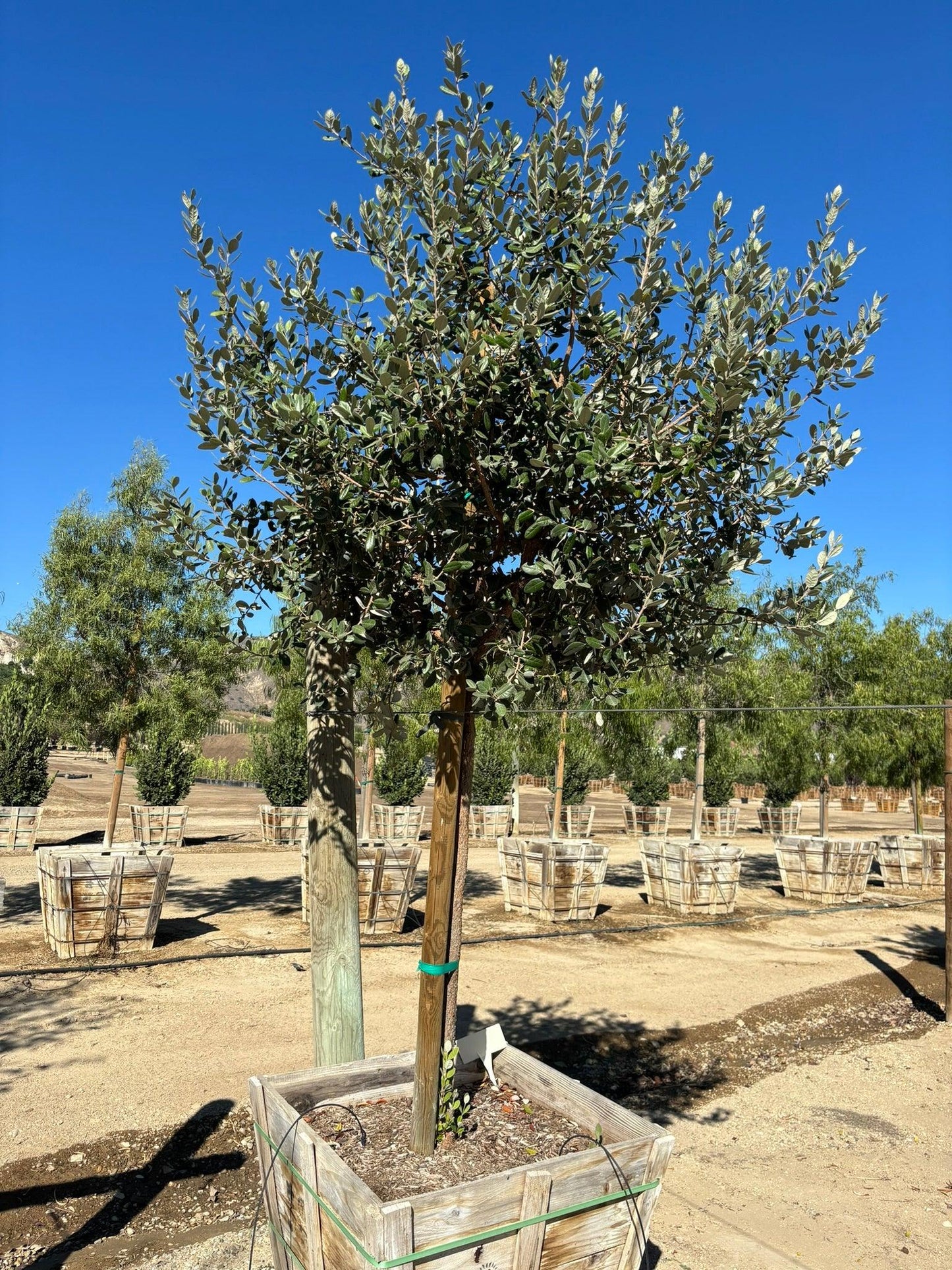
pineapple.guava plant Pineapple Guava Tree (Feijoa Sellowiana)The Perfect Dual Purpose Tree for California Gardens The pineapple guava tree gives you ornamental beauty and edible fruit in one compact, drought tolerant plant ideal for California gardens where every square foot should work hard. Also known as acca sellowiana pineapple guava, feijoa, or feijoa sellowiana, this evergreen shrub from South America brings silvery foliage, unusual white flowers with red stamens, and sweet tart fall fruit to your edible
The Perfect Dual-Purpose Tree for California Gardens
The pineapple guava tree gives you ornamental beauty and edible fruit in one compact, drought tolerant plant-ideal for California gardens where every square foot should work hard.
Also known as acca sellowiana pineapple guava, feijoa, or feijoa sellowiana, this evergreen shrub from South America brings silvery foliage, unusual white flowers with red stamens, and sweet-tart fall fruit to your edible garden. It solves the common landscape tradeoff: you do not have to choose between a beautiful small tree and a productive fruit tree.
Pineapple guava thrives in full sun and well-draining soil, preferably with a slightly acidic to neutral pH between 6.0 and 6.5. It also grows well in USDA Hardiness Zones 8-11 and prefers full sun or part shade, with slightly acidic soil for optimal growth-making it especially useful for coastal gardens, moderate summers, and many subtropical climates across California.
Why You’ll Love Your Pineapple Guava Tree
-
Edible Flowers and Fruit – In late spring to early summer, pineapple guava produces showy white flowers with long red stamens and yellow pollen. The petals are edible, sweet, and sometimes compared to marshmallows, making them a delightful addition to salads and desserts. In early fall, the tree produces egg shaped fruits with edible fruit pulp that tastes like a mix between guava and minty pineapple.
-
Year-Round Beauty – Pineapple guava, or Acca sellowiana, is an evergreen shrub that can reach heights of 10-15 feet and is known for attractive silvery foliage and unusual flowers. Its leathery leaves stay handsome through winter, giving your garden structure even when other fruit trees are bare.
-
Low Maintenance – Mature pineapple guava trees are drought-tolerant, but young trees require weekly deep watering during their first year. The pineapple guava tree is known for its pest and disease resistance, and is generally untroubled by deer. Minimal pest issues may include black scale or fruit flies in some regions, but this tree is typically easier to manage than many edible fruit options.
-
Versatile Growth – Grow it as a shrub, large shrub, informal hedge, multi-trunk specimen, or small tree with a single trunk. Regular pruning helps shape the branches, encourage new growth, and maintain size without heavy pruning.
-
Wildlife Friendly – Birds and bees are the primary pollinators of pineapple guava, with hand pollination achieving nearly 100% fruit set. The flowers attract beneficial pollinators, while mature fruit can support garden wildlife if you leave a few to fall.
What Makes It Different
Most fruit trees ask you to compromise: they are productive but seasonal, ornamental but not edible, or too large for smaller California yards.
Pineapple Guava Tree provides:
-
Unique Edible Flowers – Pineapple guava flowers have white petals, red stamens, and a sweet edible quality that makes them useful fresh in salads and desserts. Unlike a true guava, pineapple guava belongs to the myrtle family, and its genus name Acca reflects its distinct botanical identity.
-
Exceptional Drought Tolerance – Unlike many fruit trees, mature pineapple guava is drought tolerant once established. Regular deep watering is still essential during flowering and fruit formation, especially in dry conditions, to prevent fruit drop and ensure quality harvests. Mulch and organic matter help protect shallow roots and keep soil moisture steady without standing water.
-
Compact Size – Pineapple guava naturally fits smaller landscapes. It can be maintained as a small tree, screen, or evergreen shrub, usually about 10-15 feet tall with an equal spread when allowed to mature, or kept tighter with pruning. It also tolerates coastal salt spray, light shade, and partial shade, though full sun gives the best bloom and fruit production.
How It Works in Your Garden
-
Plant and Establish
Plant pineapple guava in well drained soil with good organic matter, where it receives full sun to partial shade. Pineapple guava thrives in full sun and well-draining soil, preferably with a slightly acidic to neutral pH between 6.0 and 6.5. Water deeply after planting, and keep young trees on weekly deep watering during the first year. -
Seasonal Beauty Cycle
In spring, the plant pushes new growth and prepares to bloom. By late spring or early summer, white flowers with long red stamens open and attract bees and birds. For best fruit production, pineapple guava requires a minimum of 50 hours of chilling temperatures during winter, and it is sensitive to extreme heat and frost. Flower production in pineapple guava is poor in areas with fewer than 50 hours of chilling, which is essential for fruit quality. -
Fall Harvest
Fruit develops through summer and begins to ripen in early fall. Pineapple guava fruits are best harvested when they begin to fall from the tree, indicating ripeness, and can also be picked when they are firm and allowed to ripen at room temperature. To prevent bruising during harvesting, place a tarp or cloth under the tree to catch the fruit as it falls, and handle the fruit gently when picking. Enjoy tree ripened fruit fresh, or use the pulp in jellies, desserts, and salads.
Tree Specifications
-
Size: Mature height 10-15 feet, width 8-12 feet
-
Growth Habit: Evergreen shrub, large shrub, informal hedge, or small tree
-
Botanical Name: Acca sellowiana
-
Also Known As: Pineapple guava, feijoa, Feijoa sellowiana
-
Family: Myrtle family
-
Hardiness: Yardwork recommends USDA Zones 8-10 for most California gardens; pineapple guava also thrives in USDA Hardiness Zones 8-11 where climate and soil conditions are suitable
-
Soil Requirements: Well-draining soil; slightly acidic to neutral pH, ideally 6.0-6.5, with tolerance toward 7.0
-
Sun Exposure: Full sun to partial shade; light shade is helpful in hotter inland areas
-
Water Needs: Mature pineapple guava trees are drought-tolerant, but young trees require weekly deep watering during their first year
-
Flower Season: Late spring to early summer
-
Fruit Season: Early fall into fall, depending on climate and cultivar
-
Fruit Type: Egg shaped fruits with aromatic pulp and edible fruit
-
Flavor: Pineapple guava fruit is often described as a mix between guava and minty pineapple
-
Uses: Eat fresh, make into jellies, or use in desserts and salads
-
Fruit Production: Begins about 2-3 years after planting for grafted or cutting-grown named plants
-
Pollination: Pineapple guava flowers are often self-incompatible, so planting two or more named types together is necessary for effective cross-pollination
-
Propagation: Pineapple guava can be propagated through seeds, cuttings, layering, and grafting, with grafting being the most effective method for quicker fruiting
-
What Yardwork Provides: A healthy, container-grown pineapple guava plant selected for California growing conditions, plus planting guidance, care instructions, delivery options, and expert support
Who It’s Perfect For
Ideal for:
-
California homeowners who want edible landscaping with year-round structure
-
Gardeners seeking a drought tolerant fruit tree for full sun or part shade
-
Coastal gardens needing a plant with salt spray tolerance
-
Smaller yards that need a compact small tree instead of a large fruit tree
-
Gardeners who want edible flowers, edible fruit, and ornamental foliage in one plant
-
Home growers interested in cross pollination, named varieties, and better fruit production
If you want an edible garden that looks polished in every season, pineapple guava fits beautifully. It gives you flowers in spring, fruit in fall, evergreen foliage in winter, and a versatile shape that works as a specimen tree, privacy screen, or informal hedge.
Frequently Asked Questions
How long until it produces fruit?
Fruit production usually begins about 2-3 years after planting when you start with a grafted or cutting-grown named pineapple guava plant. Seed-grown plants can take longer and may produce less predictable fruit quality.
Does it need a pollinator?
Some varieties are described as self fertile, but pineapple guava flowers are often self-incompatible. For reliable fruit production, plant two or more named types close enough for bees and birds to move pollen between them. Cross pollination improves fruit set, fruit size, and harvest quality. Hand pollination can achieve nearly 100% fruit set.
How much water does it need?
Young trees need weekly deep watering during their first year. Mature pineapple guava trees are drought-tolerant, but regular deep watering is essential during flowering and fruit formation, especially in dry conditions, to prevent fruit drop and ensure quality harvests. Avoid standing water, because pineapple guava needs well drained soil.
Can I grow it in a container?
Yes. Pineapple guava can grow in a large container if you provide well drained soil, full sun to light shade, regular watering, mulch, and occasional pruning. Container plants need more attentive watering than in-ground trees because shallow roots dry faster.
When is the fruit ready to eat?
Mature fruit is ready when it begins to fall from the tree. You can also pick firm fruit and allow it to ripen at room temperature. For the best tree ripened fruit, place a tarp or cloth under the tree, collect fallen fruit promptly, and handle each fruit gently to avoid bruising.
What does pineapple guava taste like?
The flavor of pineapple guava fruit is often described as a mix between guava and minty pineapple. The pulp is aromatic and sweet-tart, excellent to eat fresh or use in jellies, desserts, and salads.
Will extreme heat or frost affect it?
Yes. Pineapple guava needs at least 50 hours of winter chill for strong flower production and fruit quality. It can be sensitive to extreme heat, which may reduce flavor, and frost can damage flowers or immature fruit.
Ready to Add This Beauty to Your Garden?
Choose the Pineapple Guava Tree (Acca sellowiana) from Yardwork and bring home a low-maintenance, drought tolerant, edible, evergreen plant selected for California gardens. You get silvery foliage, edible flowers, fall fruit, and expert support from a team focused on helping California gardeners plant with confidence.
Yardwork offers convenient delivery, a plant guarantee, and practical guidance for planting, watering, pruning, and harvest success.
Shipping Notes
- Free Standard Shipping on $100+ Orders to the USA.
- Except Preorder products are shipped in 48 hours.
- Delivery to the USA:
- Standard Shipping : 3-10 business days
- If time is of the essence, please consider selecting expedited delivery for faster service.
Exchange/Return Notes
- We offer a 30-day return/exchange service after receiving.
- Final sale items are not eligible for returns or exchanges.
- To process your return/exchange, please contact us at [email protected]
- Please click here for more details>>> Return & Exchange Policy