Shipping Estimate
USA
- USA
- CAN
- USA
- CAN
Ships within 48 hours · Estimated delivery Jul 14 - Jul 19
 Promo Codes Available:
For Your Every Summer RSVP, with Code: SUMMER15
Description
biggest jade plant 3-5 FT Jade Succulent Bonsai (Crassula) – Dahing PlantsDescription The jade bonsai brings a peaceful presence to any home. Its glossy leaves and THICK woody trunk give the plant a bonsai look or a mini tree look. Having a mini tree that's also a succulent? Yes please! it creates the sense of calm we all need. The jade bonsai isn't your ordinary houseplant it's a miniature masterpiece, offering wonderful company without demanding constant attention. And it grows more beautiful with time, just like your
Description
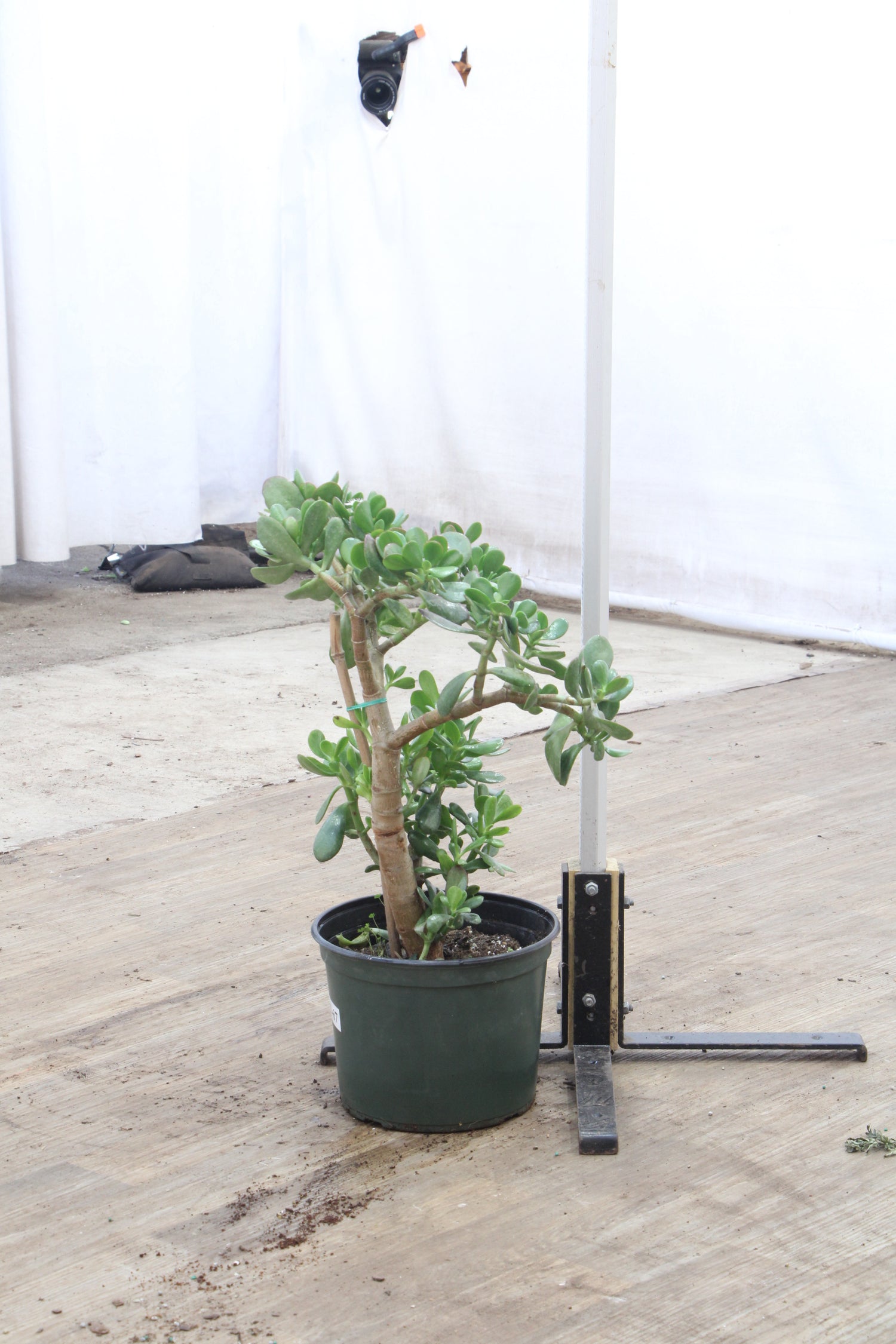
The jade bonsai brings a peaceful presence to any home. Its glossy leaves and THICK woody trunk give the plant a bonsai look or a mini tree look. Having a mini tree that's also a succulent? Yes please! it creates the sense of calm we all need.
The jade bonsai isn't your ordinary houseplant – it's a miniature masterpiece, offering wonderful company without demanding constant attention. And it grows more beautiful with time, just like your friendship over the years. It’s a forgiving little tree, perfect for new plant parents and established green fingers.
Care
Are bonsai trees hard to maintain?
We know many people worry about bonsai care, but your jade bonsai is wonderfully understanding! Unlike more demanding varieties, it’ll forgive occasional neglect and keeps thriving even when life gets hectic. Perfect for nurturing your confidence.
Jade bonsai care is refreshingly straightforward, making it ideal for both beginners and busy plant enthusiasts. You just need to focus on three simple things: proper light, infrequent watering, and occasional pruning. We're here to guide you through each step.
How much light does a jade bonsai need?
Your jade bonsai flourishes in bright, indirect sunlight – think of it as your plant's daily vitamin D! Give your little tree 4-6 hours of bright light each day, but protect those delicate leaves from harsh direct rays.
Learning how to care for a jade plant is wonderfully simple: provide good light, water thoughtfully, and give it space to grow at its own pace.
How often do you water a jade plant?
Your jade plant appreciates a thoughtful watering approach. Wait until the soil feels nearly completely dry before offering a drink – usually every 2-3 weeks. It's better to underwater than overwater, as these resilient plants store water in their leaves.
Is jade bonsai good for beginners?
If you've experienced heartbreak with other plants, let the jade bonsai tree help restore your confidence! This understanding little tree tolerates learning curves and forgetfulness, making it perfect for those just starting their plant journey or wanting a fresh start.
Our small jade bonsai offers gentle encouragement as you develop your plant care skills. Behind any successful "plant person,” there might be a patient jade bonsai quietly supporting their growth. It could be the companion you need to believe in your green thumb again.
Should I mist my jade bonsai?
Your jade bonsai tree is wonderfully low-maintenance and doesn't require regular misting. While an occasional gentle mist won't harm your plant, this resilient succulent naturally thrives in drier conditions. We love how adaptable these plants are to typical home environments!
Does jade bonsai need sunlight?
Yes, your jade bonsai needs sunlight to stay healthy and happy! These lovely trees thrive in bright conditions but appreciate protection from intense, direct rays that stress their leaves. Think of it as needing gentle warmth rather than harsh heat.
Basic jade bonsai care means providing bright indirect light and waiting until the soil dries before watering. It's a simple routine that becomes second nature, and we're always here if you need guidance along the way.
Do jade plants like deep or shallow pots?
Jade bonsai plants feel most comfortable in shallow pots with good drainage. This keeps them compact and prevents root problems that could affect their health. We want your plant to have the perfect home where it can thrive for years.
Do jade plants like to hang?
While your jade plant can adapt to hanging arrangements, these steady companions typically prefer traditional upright displays.
How big do jade bonsai get?
Your jade bonsai will typically reach about 1-4 feet tall when lovingly maintained, creating the perfect tabletop companion. Unlike their larger relatives that can grow up to 15 feet, these miniature beauties are perfectly sized for indoor spaces and apartments.
How do I keep my jade plant small?
Keeping your jade plant small involves gentle, regular pruning – think of it as giving your plant a caring trim. This encourages compact growth and helps maintain that adorable bonsai form we all cherish. Your plant actually benefits from this attention!
What is the best fertilizer for jade bonsai?
Your jade bonsai appreciates gentle nutrition without overwhelming its system. A balanced, water-soluble fertilizer once monthly during the growing season provides just what it needs. We believe in supporting your plant's natural growth rhythm.
Can jade bonsai trees survive outdoor conditions?
Your jade bonsai can enjoy outdoor time in warm weather! These adaptable trees thrive outside when temperatures stay consistently between 65-95°F. Just remember to bring your plant inside before temperatures drop below 40°F to keep it safe and comfortable.
Taking your jade outside is wonderful for both of you during suitable weather. In warm climates, it will soak up the sunshine and fresh air, but always be ready to welcome it back inside when temperatures change. We want your plant to feel secure wherever it grows.
What are the best conditions for growing a jade bonsai indoors?
Your jade bonsai will thrive with bright indirect light, temperatures between 65-95°F, and soil that's allowed to dry completely between waterings. Creating these comfortable conditions helps your plant feel secure and encourages healthy growth throughout the year.
Think of your jade bonsai tree as a steady companion who appreciates consistency. Give it a shallow pot with good drainage, monthly fertilizing during growing season, and regular pruning to keep it looking its best.
Pet-friendly?
When it comes to pet safety, we need to share some important information about your jade bonsai. True jade plants from the Crassula genus are toxic to both cats and dogs, and we want to help you keep your furry family members safe and healthy.
Are jade bonsai toxic to cats?
Unfortunately, jade bonsai trees made from Crassula species are toxic to our feline friends. If your kitty nibbles on any part of your jade bonsai, they may experience vomiting, lethargy, or loss of coordination. Call your vet straight away.
Are jade bonsai trees safe for dogs?
Jade bonsai trees are toxic to your canine companions. These Crassula species can cause vomiting, stomach pain, and lethargy if ingested. Small dogs are especially vulnerable, so extra caution is needed in homes with petite pups
Factoids
Is jade bonsai the same as dwarf jade?
Dwarf jade and regular jade are actually different plant species, each with their own special qualities! Dwarf jade (Portulacaria afra) and the jade plant (Crassula ovata) may look similar, but they're actually distinct plants with unique characteristics.
What is the significance of jade bonsai?
Your jade bonsai carries beautiful meaning beyond its appearance! These charming trees are associated with prosperity, positive energy, and good fortune. Many people give them as thoughtful gifts to share blessings with loved ones – a tradition we're honored to continue.
Do jade bonsai trees lose their leaves?
Your jade bonsai tree keeps its leaves year-round. If you notice leaf drop, it's usually your plant's gentle way of telling you something needs adjusting – perhaps watering, light, or temperature. We're here to help you understand these signals.
Do jade plants flower?
Your jade can surprise you with blooms! With proper care, jade plants produce lovely white or pink flowers in late spring to early summer. They often come after a brief dry period – nature's way of celebrating resilience together.
How long do jade bonsai live?
With loving care, your jade bonsai can be a lifelong companion! These remarkable plants can thrive for over a hundred years, potentially becoming heirlooms passed down through generations. We think that's pretty special – a living legacy of care and connection.
How big does a jade plant get?
Jade plant relatives can reach an impressive 10-15 feet tall! But as a cherished bonsai, yours will stay beautifully compact at about 2-4 feet, depending on your pruning care. This size makes it an ideal companion for any space.
Buy a Jade Bonsai
Are you ready to start a rewarding journey with your very own jade bonsai? Our jade bonsai trees come with all the patience and charm you need for successful plant parenthood – there’s no experience required!
Each jade bonsai tree has been carefully nurtured to bring you years of peaceful companionship. Perfect for busy families, new plant parents, or anyone seeking a gentle introduction to the world of bonsai. Let us help you find the perfect green companion today!
Shipping Notes
- Free Standard Shipping on $100+ Orders to the USA.
- Except Preorder products are shipped in 48 hours.
- Delivery to the USA:
- Standard Shipping : 3-10 business days
- If time is of the essence, please consider selecting expedited delivery for faster service.
Exchange/Return Notes
- We offer a 30-day return/exchange service after receiving.
- Final sale items are not eligible for returns or exchanges.
- To process your return/exchange, please contact us at [email protected]
- Please click here for more details>>> Return & Exchange Policy