Shipping Estimate
USA
- USA
- CAN
- USA
- CAN
Ships within 48 hours · Estimated delivery Jul 11 - Jul 16
 Promo Codes Available:
For Your Every Summer RSVP, with Code: SUMMER15
Description
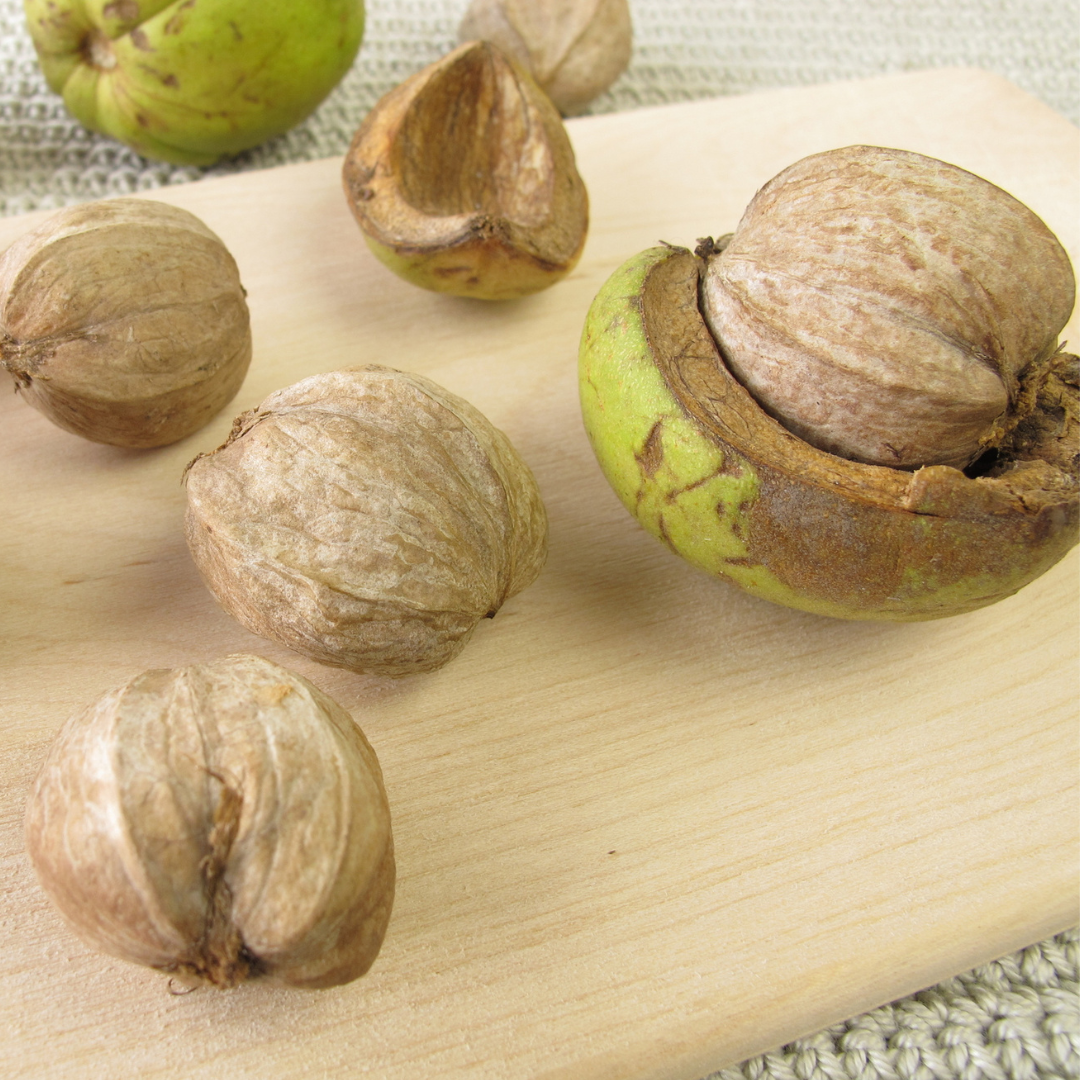
planting hickory nuts seeds Shellbark Hickory Tree Seeds | Carya laciniosaThe largest native hickory. The largest native nut. The bottomland giant. Carya laciniosa, the Shellbark Hickory or Kingnut Hickory, is the largest native hickory species in North America and produces the largest hickory nut of any species, nuts that can reach 2 to 3 inches in length with a thick, hard shell surrounding a kernel with the same rich, sweet, buttery flavor as the related Shagbark Hickory. Unlike Shagbark Hickory, which grows on dry
The largest native hickory. The largest native nut. The bottomland giant.
Carya laciniosa, the Shellbark Hickory or Kingnut Hickory, is the largest native hickory species in North America and produces the largest hickory nut of any species, nuts that can reach 2 to 3 inches in length with a thick, hard shell surrounding a kernel with the same rich, sweet, buttery flavor as the related Shagbark Hickory. Unlike Shagbark Hickory, which grows on dry upland sites, Shellbark Hickory is a bottomland species, adapted to the moist, rich floodplain soils along rivers and streams where it grows into one of the most massive native hardwoods in the eastern forest. The bark is similarly shaggy to Shagbark Hickory but even more dramatically plated, contributing to a bark texture that is unmistakable in the winter landscape. If you are looking to buy Shellbark Hickory seeds or grow kingnut hickory from seed, this is the hickory for rich, moist sites and for the largest native nut crop available in the eastern hardwood forest.
- Produces the largest nuts of any native hickory species, up to 2 to 3 inches in length
- A bottomland and floodplain species adapted to rich, moist soils where Shagbark Hickory does not grow
- Dramatically shaggy bark similar to Shagbark Hickory but even more pronounced on mature trees
- Extremely hard, shock-resistant wood comparable to Shagbark for tool handles and hickory smoking
- Critical mast tree for wildlife in bottomland forest, nuts consumed by deer, turkey, and waterfowl
Things you probably did not know about the Shellbark Hickory
The name Kingnut refers to the extraordinary nut size compared to other hickories. Among hickory species, Shellbark consistently produces the largest individual nuts, a characteristic recognized by colonial and early American naturalists who called it the Kingnut to distinguish it from the smaller Shagbark. The large kernel inside the thick shell has the same high-quality flavor as Shagbark but the processing challenge is even greater due to the thickness and hardness of the shell.
It requires richer, wetter soils than any other hickory and is therefore less common in the landscape. Shellbark Hickory grows naturally in the most fertile bottomland soils of the Midwest and Southeast, along river floodplains and wet bottomlands where the deep, rich alluvial soil provides the moisture and nutrients the species requires. This habitat specificity means it is less frequently encountered than Shagbark Hickory, which tolerates a wider range of site conditions and grows on drier upland sites as well as moist bottomlands.
The nuts were highly prized by Indigenous peoples for their large kernel-to-shell ratio. Despite having a thicker shell than Shagbark Hickory, the Shellbark Hickory nut has a proportionally large kernel because the nut itself is so much bigger. Indigenous peoples of the Ohio River valley and Mississippi River corridor, where Shellbark grows naturally, valued it for the relatively efficient nut processing compared to smaller-nutted hickory species. The large size means fewer nuts need to be cracked to produce a given quantity of kernel.
It can tolerate seasonal flooding that would stress most large hardwoods. Shellbark Hickory's adaptation to bottomland soils includes tolerance for seasonal flooding of several weeks to months duration, conditions that would stress or kill most upland hardwoods. This flood tolerance is part of what allows it to occupy the most productive and fertile bottomland sites in the eastern forest alongside Bald Cypress, Sycamore, and other bottomland specialists.
Growing Details
- Botanical Name: Carya laciniosa
- Stratification: Required, 90 to 120 days cold moist stratification, recalcitrant seed, keep moist
- USDA Zones: 5 to 8
- Soil: Deep, rich, moist bottomland soils preferred, tolerates seasonal flooding, performs poorly in dry conditions
- Light: Full sun
- Height: 60 to 80 feet
- Spread: 30 to 40 feet
- Growth Rate: Slow, 1 to 1.5 feet per year
Plant it in the richest, moistest site available and give it the century it needs to develop into what it is meant to be. Very few trees reward the patience as completely as a mature Shellbark Hickory loaded with nuts in September.
Shipping Notes
- Free Standard Shipping on $100+ Orders to the USA.
- Except Preorder products are shipped in 48 hours.
- Delivery to the USA:
- Standard Shipping : 3-10 business days
- If time is of the essence, please consider selecting expedited delivery for faster service.
Exchange/Return Notes
- We offer a 30-day return/exchange service after receiving.
- Final sale items are not eligible for returns or exchanges.
- To process your return/exchange, please contact us at [email protected]
- Please click here for more details>>> Return & Exchange Policy