Shipping Estimate
USA
- USA
- CAN
- USA
- CAN
Ships within 48 hours · Estimated delivery Jul 14 - Jul 19
 Promo Codes Available:
For Your Every Summer RSVP, with Code: SUMMER15
Description
common spider plant Chlorophytum comosum 'Spider Plant' – Classy CasitaSpider Plant The Spider Plant (Chlorophytum comosum) is a beloved and versatile houseplant that has become a classic choice among plant enthusiasts and interior decorators. Recognized for its distinctive arching leaves adorned with white stripes, this resilient plant adds a touch of natural elegance to any indoor space. Its adaptability and air purifying qualities make it a favored choice for homes and offices. The Spider Plant is renowned for its
Spider Plant
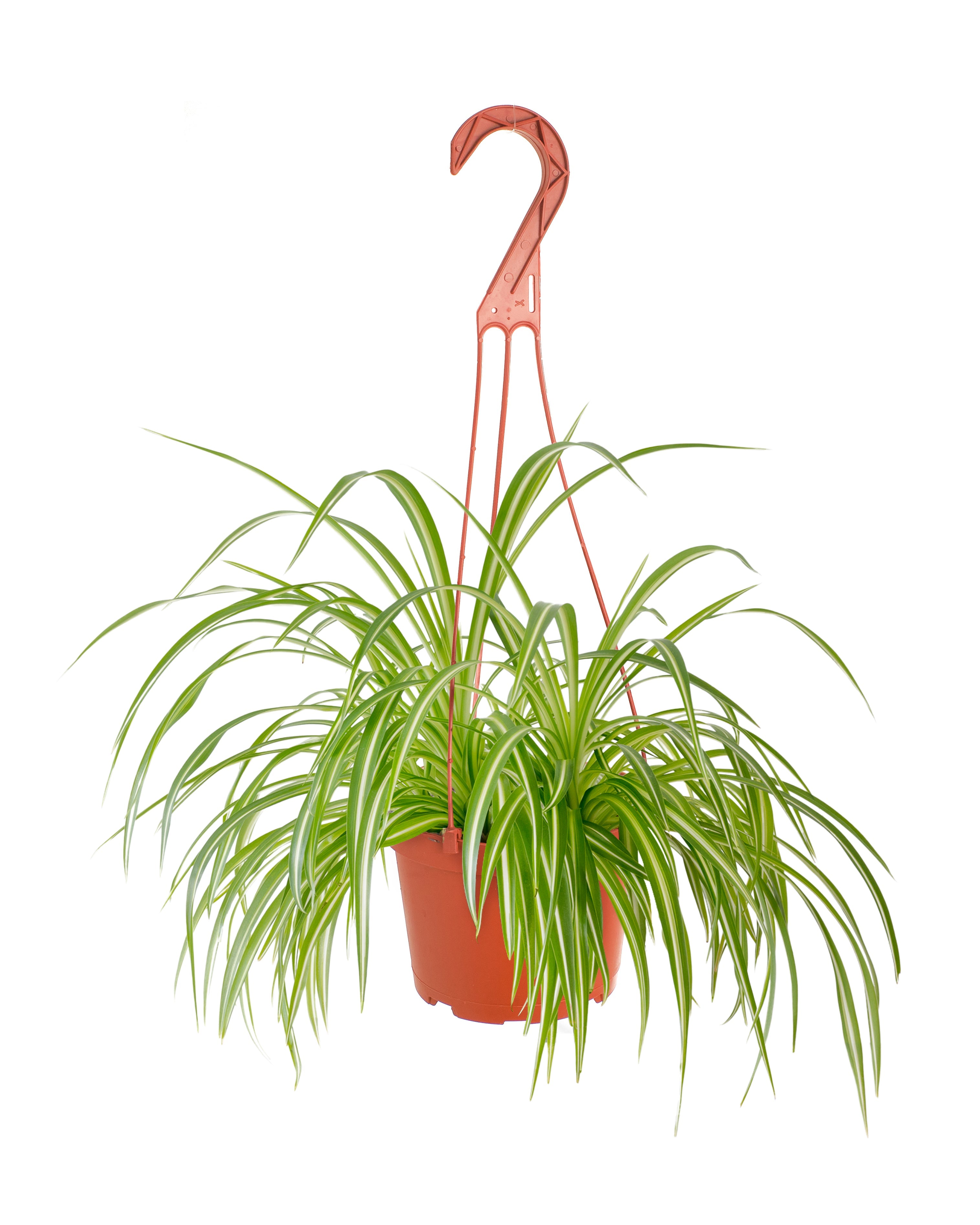
The Spider Plant (Chlorophytum comosum) is a beloved and versatile houseplant that has become a classic choice among plant enthusiasts and interior decorators. Recognized for its distinctive arching leaves adorned with white stripes, this resilient plant adds a touch of natural elegance to any indoor space. Its adaptability and air-purifying qualities make it a favored choice for homes and offices. The Spider Plant is renowned for its ability to remove indoor pollutants, enhancing air quality and promoting a healthier living environment. Whether you're a seasoned plant enthusiast or a novice, the Spider Plant's minimal care requirements and timeless appeal make it an indispensable addition to your indoor garden, creating a harmonious blend of beauty and botanical simplicity in any setting.
Details
Type: Plastic Nursery Pot
Size: Medium :: 4 Inch Diameter
Size: Large :: 6 Inch Diameter (Includes Hanger)
Plant Care
Light: Place your Spider Plant in bright, indirect sunlight. It can tolerate lower light conditions but thrives in moderate, indirect light. Avoid exposing it to direct sunlight, as this can scorch the leaves. Spider Plants are versatile and can adapt to various lighting conditions.
Temperature: Maintain a comfortable indoor temperature between 60-75°F (15-24°C). Spider Plants are sensitive to cold drafts and prefer to avoid temperature fluctuations.
Watering: Keep the soil consistently moist but not waterlogged. Water when the top inch (2.5 cm) of the soil feels dry. During the growing season (spring and summer), water more frequently, and reduce watering in the dormant season (fall and winter).
Soil: Use well-draining potting soil with good aeration. A standard indoor plant mix works well. Make sure the pot has drainage holes to prevent water buildup at the root level.
Pot: Ensure the pot has drainage holes. Spider Plants do well in slightly crowded conditions and do not require frequent repotting.
Fertilization: Feed your Spider Plant with a balanced, water-soluble fertilizer diluted to half strength every 4-6 weeks during the growing season (spring and summer). Avoid over-fertilizing, as this can lead to salt buildup.
Pests: Spider Plants are relatively pest-resistant, but occasional mealybugs or spider mites may appear. Inspect your plant regularly and treat any infestations promptly with insecticidal soap or neem oil.
Propagation: Spider Plants produce "pups" or baby plants that can be removed and potted to grow new plants. This is typically done when the pups are a few inches tall.
Shipping Notes
- Free Standard Shipping on $100+ Orders to the USA.
- Except Preorder products are shipped in 48 hours.
- Delivery to the USA:
- Standard Shipping : 3-10 business days
- If time is of the essence, please consider selecting expedited delivery for faster service.
Exchange/Return Notes
- We offer a 30-day return/exchange service after receiving.
- Final sale items are not eligible for returns or exchanges.
- To process your return/exchange, please contact us at [email protected]
- Please click here for more details>>> Return & Exchange Policy