Shipping Estimate
USA
- USA
- CAN
- USA
- CAN
Ships within 48 hours · Estimated delivery Jul 11 - Jul 16
 Promo Codes Available:
For Your Every Summer RSVP, with Code: SUMMER15
Description
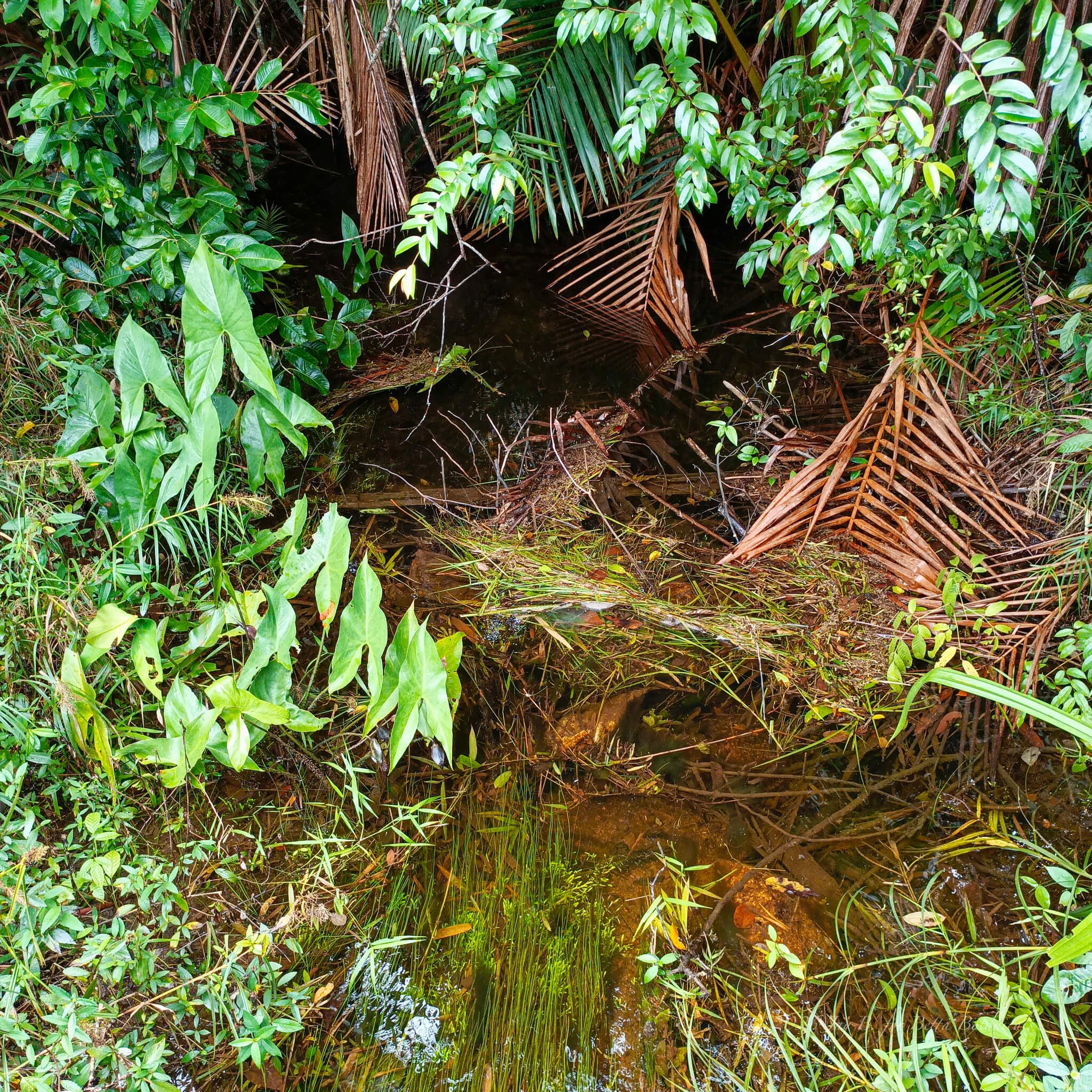
areca palm in aquarium Areca Palm Fronds for Blackwater AquariumsAreca Palm Fronds on the Surface: The Areca Palm Fronds that we use in aquariums come from Dypsis lutescens, a palm native to Madagascar that's been widely naturalized across warm climates. They have rather long, medium durability, feather like fronds, though some may condition quickly in ecosystems containing plecos and other rasping or nibbling fishes. They will often float at first, creating immediate cover for fish and shrimp in botanical method,
Areca Palm Fronds on the Surface:
The Areca Palm Fronds that we use in aquariums come from Dypsis lutescens, a palm native to Madagascar that's been widely naturalized across warm climates. They have rather long, medium-durability, feather-like fronds, though some may condition quickly in ecosystems containing plecos and other rasping or nibbling fishes. They will often float at first, creating immediate cover for fish and shrimp in botanical method, blackwater, and biotope aquariums, and bioactive enclosures. Their widespread naturalization allows them to function as a broadly compatible, “generic tropical” botanical across many methods of aquarium keeping, and their low tannin content makes them ideal for the habitat replication of both clear water and blackwater streams.
Essential Details
- Tannin Level: Low
- Tint Color: Minimal to light tea brown
- Durability: Slow to decompose; leaflets soften gradually and hold structure for extended use
- Habitat Location: Native to Madagascar, widely naturalized in tropical and subtropical regions
- Optimal For: Bettas, gouramis, tetras, rasboras, shrimp, snails, nano fish, community tanks, and bioactive enclosures for snakes, geckos, frogs, isopods, and springtails
- Use with Caution: Suitable for all inhabitants
- Size Range: Typically 15–20 inches long, with natural variation in leaflet spacing and thickness
- Quantities: Sold as 1 count Areca Palm Frond or 3 count Areca Palm Fronds
Areca Palm Fronds for Aquariums & Vivariums
Areca Palm Fronds just look tropical! The long leaflets create soft line-of-sight breaks that fish use immediately, especially small schooling fish and timid species that settle faster when they can weave in and out of cover. They are a favorite amongst angelfish enthusiasts, or with nano fish like the green neon tetra.
Functionally, fronds provide a lot of surface area that is quick to be colonized with bacterial films and fungi, which then become grazing surfaces for shrimp and snails. In the botanical method aquarium, this forms the basis of the food web and is a level of the food chain that standard aquariums are often missing.
Once broken down, the frond fragments help in the mulm accumulation and substrate formation between larger leaves and seed pods. This natural substrate formation is exactly what we see in nature, especially when the frond is laid over leaf litter or tucked against wood. In this perpetual substrate approach, the mulm layer is a food source, as it feeds beneficial microbes and supports slow nutrient cycling within the litter layer for aquatic plants.
In nano aquariums, one frond can provide the entire habitat and cover on its own. In larger aquariums, using multiple fronds creates a broader “canopy” effect across the substrate, which fish and invertebrates utilize as habitat.
In bioactive enclosures, Areca Palm Fronds help replicate the diversity of litter found on the forest floor. They trap pockets of humidity in the litter, and create pathways that isopods and springtails use for refuge and feeding as microbial films develop. For reptiles and amphibians, this can increase activity because the enclosure offers more usable cover and more microclimates within the same footprint.
Beneath the Leaves: Dypsis lutescens in the Wild
Historically, palm fronds have been used as symbols of triumph, victory, and renewal, appearing in religious, ceremonial, and civic traditions across the Mediterranean, Africa, and parts of Asia. This association reflects the palm’s resilience and its ability to persist and regenerate in demanding environments.
Palms as a group have long provided practical resources as well. While Dypsis lutescens itself is not a major food crop, many closely related palm species produce edible fruits, sap, or starches that have supported human communities for thousands of years. The shedding of fronds and fruits links canopy growth to the ground below, reinforcing the constant exchange between living plants and the detrital systems that follow.
Sustainability Note:
This product’s packaging is home compostable. Just like the botanicals inside, it will break down naturally and return to the soil—because what supports your ecosystem should minimally impact our planet.
Not for human consumption. Preparation required.
This is a natural product—variation in color, shape, and texture is expected.
Shipping Notes
- Free Standard Shipping on $100+ Orders to the USA.
- Except Preorder products are shipped in 48 hours.
- Delivery to the USA:
- Standard Shipping : 3-10 business days
- If time is of the essence, please consider selecting expedited delivery for faster service.
Exchange/Return Notes
- We offer a 30-day return/exchange service after receiving.
- Final sale items are not eligible for returns or exchanges.
- To process your return/exchange, please contact us at [email protected]
- Please click here for more details>>> Return & Exchange Policy