Shipping Estimate
USA
- USA
- CAN
- USA
- CAN
Ships within 48 hours · Estimated delivery Jul 12 - Jul 17
 Promo Codes Available:
For Your Every Summer RSVP, with Code: SUMMER15
Description
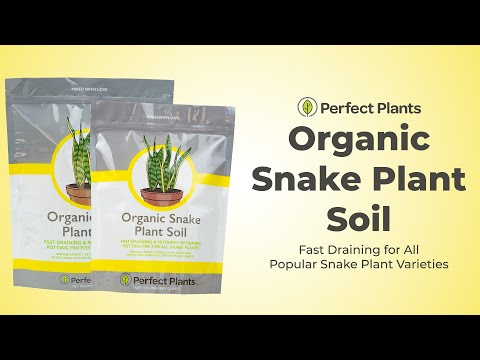
soil to use for snake plant Snake Plant Soil Mix - 4 QuartBest Soil for Snake Plants: Fast Draining Organic Mix for Healthy Roots and Happy Growth Snake Plant Soil Mix Promotes Proper Drainage, Root Health, and Stress Free Plant Care Our Organic Snake Plant Soil Mix is specially blended for Sansevieria species and other drought tolerant houseplants. Made with coconut coir, pine bark, sand, and perlite, it delivers airflow and fast drainage to prevent root rot and support healthy, vibrant growth. Snake plants
Best Soil for Snake Plants: Fast-Draining Organic Mix for Healthy Roots and Happy Growth
Snake Plant Soil Mix Promotes Proper Drainage, Root Health, and Stress-Free Plant Care
Our Organic Snake Plant Soil Mix is specially blended for Sansevieria species and other drought-tolerant houseplants. Made with coconut coir, pine bark, sand, and perlite, it delivers airflow and fast drainage to prevent root rot and support healthy, vibrant growth.
Snake plants are a type of succulent plant that can withstand drought and don’t need as much water as other houseplants. They’re notoriously easy to care for and are an excellent option for those who haven’t cared for a plant before. The soil is a key part of easy care—the wrong soil will make your snake plant challenging to care for in just a matter of weeks!
Our Snake Plant Potting Soil is made up of coconut coir, pine bark chips, perlite, and sand. We chose these materials because it drains quickly and won’t hold onto too much water, which is essential for these subtropical desert natives!
The soil doesn’t contain fertilizer, is free of chemicals, and is safe for any snake plant variety, including popular choices like Laurentii, Black Coral, and Sansevieria zeylanica.
The Snake Plant Soil is made up of chunky materials – useful for soil aeration.
How to Repot Snake Plants Using Perfect Plants Soil
Our potting soil for snake plants is ready to use right out of the bag. Fill up your container enough so that the top of the snake plant’s root ball is level with the top of the container. Place the snake plant in the center of the container and fill in the space with more Snake Plant Soil. Don’t pack it in tightly but do make sure there’s enough soil around the root ball. Water the plant and fill in gaps where the soil settled.
We put our Organic Snake Plant Soil in resealable bags so you can use the soil when you’re ready. If you don’t use all of it, you can keep it safe in the bag until you need it.
We don’t include any fertilizer in our Snake Plant Soil type. We recommend using our Liquid Snake Plant Fertilizer every time you water your plant to make sure it receives the nutrients it needs to grow quickly and develop vibrant color.
Why Organic Snake Plant Soil Is the Best Choice
A common misconception among beginning plant enthusiasts is that any old dirt will work. That’s not the case, as many beginners quickly find out! Snake plants are native to subtropical deserts and not containers in the corner of a house. It’s important to mimic its natural habitat the best you can so it can grow the way it adapted.
Snake plants naturally grow in rocky, dry areas where they’re used to low levels of light and rain. They store water in their leaves, so they don’t need to be watered frequently. They have shallow root systems like other succulents, so frequently watering them can cause them to develop root rot and die. They need to dry out between waterings, so they don’t absorb too much water.
Our Snake Plant Repotting Soil mimics the rocky ground they’re used to. The sand, pine bark, perlite, and coconut coir allow excess water to drain through it quickly. The chunks of bark and perlite create airflow in the soil so the roots can receive oxygen and easily push through the soil. This light and airy soil that won’t hold much water are crucial for a happy snake plant. Using water retaining soil will soon have your plant in the trash!
Why Buy From Perfect Plants?
Perfect Plants is a family-owned nursery that’s been growing strong since 1980. We blend every soil mix by hand on our Florida farm using expert-tested, sun-kissed ingredients that support healthy roots from the start. Trusted by plant lovers for decades, so they can grow with confidence.
Shipping Notes
- Free Standard Shipping on $100+ Orders to the USA.
- Except Preorder products are shipped in 48 hours.
- Delivery to the USA:
- Standard Shipping : 3-10 business days
- If time is of the essence, please consider selecting expedited delivery for faster service.
Exchange/Return Notes
- We offer a 30-day return/exchange service after receiving.
- Final sale items are not eligible for returns or exchanges.
- To process your return/exchange, please contact us at [email protected]
- Please click here for more details>>> Return & Exchange Policy