Shipping Estimate
USA
- USA
- CAN
- USA
- CAN
Ships within 48 hours · Estimated delivery Jul 13 - Jul 18
 Promo Codes Available:
For Your Every Summer RSVP, with Code: SUMMER15
Description
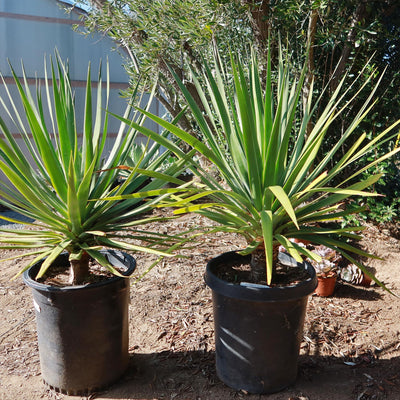
dracaena plant outdoor Shop 'Dragon TreeIntroducing the Dragon Tree, also known as Dracaena draco. The Greek word "drkaina," which means "female dragon," gave rise to the name "dracaena." This refers to the 'Draco' kind of brilliant red resin. The name "dragon tree" is believed to have originated from the red sap that oozes from the trunk when cut, resembling a dragon's blood. This unique characteristic has contributed to its mythical and intriguing reputation. Hailing from Madagascar, it
Introducing the Dragon Tree, also known as Dracaena draco. The Greek word "drákaina," which means "female dragon," gave rise to the name "dracaena." This refers to the 'Draco' kind of brilliant red resin.
The name "dragon tree" is believed to have originated from the red sap that oozes from the trunk when cut, resembling a dragon's blood. This unique characteristic has contributed to its mythical and intriguing reputation.
Hailing from Madagascar, it is also known as the Madagascar dragon tree and goes by many other common names such as dragon blood tree, corn plant, ribbon plant, Asparagus Draco, and dragon's blood plant.
The dragon tree, a tall, cylindrical tree with sword-shaped leaves, grows tall in the landscape, whereas the houseplant is shorter but has identical leaves.
This dragon tree stands tall and can grow up to 15 feet tall in its natural habitat.
If grown indoors, it can grow up to 4 feet boasting a thick cylindrical trunk adorned with stunning rosettes. These rosettes are no ordinary ones either; they are crowned with magnificent sword-shaped leaves that will make you feel like you've stepped into a mythical kingdom.
The dragon plant flowers bloom from late winter to early spring, with white flowers, which are produced in clusters on the tips of its branches. The flowers emit a strong, sweet fragrance that attracts pollinators such as bees and butterflies. The blooming period is relatively short, lasting only a few weeks.
Interesting Facts
- The dragon tree has a thick, gnarled trunk that adds a touch of character and charm to its overall appearance.
- It has a long lifespan and can live for several decades, becoming a cherished part of your home.
- Its sap is a vibrant red color, giving it a dramatic and eye-catching appearance.
- The Dragon Tree is believed to bring good luck and positive energy to its surroundings, according to ancient folklore.
Propagation of the dragon tree can easily be done by stem cuttings. Simply take a cutting from the stem of the healthy plant and allow it to dry out before planting it in well-draining soil. Keep the cutting in a warm, humid environment to encourage root growth.
With its show-stopping presence, this dragon blood tree will undoubtedly add to the landscape of your lovely home. Plus, this slow-growing plant is perfect for those who want to add something truly special to their collection.
Watering Needs
The dragon blood tree is a succulent shrub that definitely stands out from the rest. Since it is a drought-tolerant plant, it does not need much water, but should not be overwatered or underwatered. But here's a fun fact - unlike most trees, dragon trees do not tolerate prolonged drought well.
In fact, during the scorching summer months, it might require watering once a week to keep those arms perky and looking their best. Keep the soil moist but not saturated.
If you ever notice your dragon blood plant gradually curling towards the center, don't freak out! That just means they're thirsty and in need of some water. So, make sure to water them thoroughly when you see this happen (but be careful not to let them stand in watery soil), or else risk facing root rot - yikes!
Stay on top of your watering game with this quirky dragon plant and watch as they continue to thrive and turn heads with their unique appearance.
Light Requirements
If growing indoors, place your Dracaena tree a few feet away from the south-facing window. If they don't receive enough light for a long period, their stems may grow leggy and become paler and their spines will shorten; so, make your house plant happy and give it plenty of light.
For outdoor cultivation, the dragon tree requires a lot of light and should be grown in either full sun or part shade. New plants can get burned in the full sun as they were probably grown in a greenhouse; therefore, dragon blood tree exposure to sunlight gradually increases. If the sun is too bright and is burning your plant's leaves, consider purchasing a sunshade or moving the plant to a more shaded location.
The dragon tree can also thrive in filtered or low-light conditions. It can also grow in areas that are partially shaded, but not in those that receive direct sunlight. The plant is vulnerable to exposure to the full sun.
Optimal Soil & Fertilizer Needs
Dracaena plant favors very airy, sandy soil that drains well. Planting them in ordinary soil will result in compacted roots, stunted growth, and most likely root rot. Instead, make or buy a well-draining regular potting soil, or ideally use Soil Cactus Mix Blend 1 Gal 4 Qtour specialized potting mix that contains over 5 natural substrates and mycorrhizae to promote the development of a strong root system that helps your blood tree to thrive.
When it comes to fertilizing your dragon blood trees, it only needs a tiny bit applied once a year in the spring growing season with a balanced liquid fertilizer that has lower doses of NPK (5-10-5). No harsh chemicals here, folks - just pure, natural goodness that lasts longer and encourages nutrient absorption, so your succulent stays happy as a clam.
So go ahead and give your Dragon's blood plant some love with a good natural fertilizer because when it comes to soil and fertilizers, through experience, we know what works best!
Hardiness Zones & More
When growing indoors, the Dragon Tree prefers average room temperatures ranging from 6°F to 75°F. It can tolerate slightly cooler temperatures, but it's best to avoid extreme temperature fluctuations. It is adaptable and can tolerate average indoor humidity levels. However, it appreciates a slightly higher humidity level, so misting the leaves occasionally or placing a humidifier nearby can be beneficial, especially during dry winter months.
For outdoor cultivation, the Dragon Tree is best suited for USDA hardiness zones 9 to 12, which are regions with mild winters and warm climates. The Dragon Tree can tolerate temperatures as low as 30°F for short periods but prefers temperatures above 50°F. It's important to protect it from frost and extreme temperature fluctuations, as they can damage the plant.
Final Thoughts
Overall, the Dragon Tree (Dracaena draco), is a stunning indoor plant with spiky foliage that adds a touch of exotic beauty to any space. It's known for its easy care, making it perfect for beginners. This plant thrives in bright, indirect light and can tolerate lower light conditions too. It likes average room temperatures and can handle normal indoor humidity levels. Just water it when the top inch of soil is dry, and mist the leaves occasionally for a little extra humidity.
We think you will love this dragon plant – order your very own Dracaena draco - Dragon blood tree for sale and start enjoying its beauty in no time!
Shipping Notes
- Free Standard Shipping on $100+ Orders to the USA.
- Except Preorder products are shipped in 48 hours.
- Delivery to the USA:
- Standard Shipping : 3-10 business days
- If time is of the essence, please consider selecting expedited delivery for faster service.
Exchange/Return Notes
- We offer a 30-day return/exchange service after receiving.
- Final sale items are not eligible for returns or exchanges.
- To process your return/exchange, please contact us at [email protected]
- Please click here for more details>>> Return & Exchange Policy